
- Home
- Service & Repair
- Cable Replacement
Lift cable replacement
Garage Door Cable Repair in Pewaukee, WI
Lift cables are thin, but they hold the entire weight of your garage door against the springs. When a cable frays, slips off its drum or snaps, the door can hang crooked, jam in the track or drop on one side. We replace garage door cables throughout Pewaukee and Lake Country, checking the drums, bottom brackets and springs that work with them, then leveling and testing the door. Cables under tension are dangerous, so please leave them to us.
- Same-day service
- Price before we start
- Safety-tested
What cables do
Small cables, a very big job
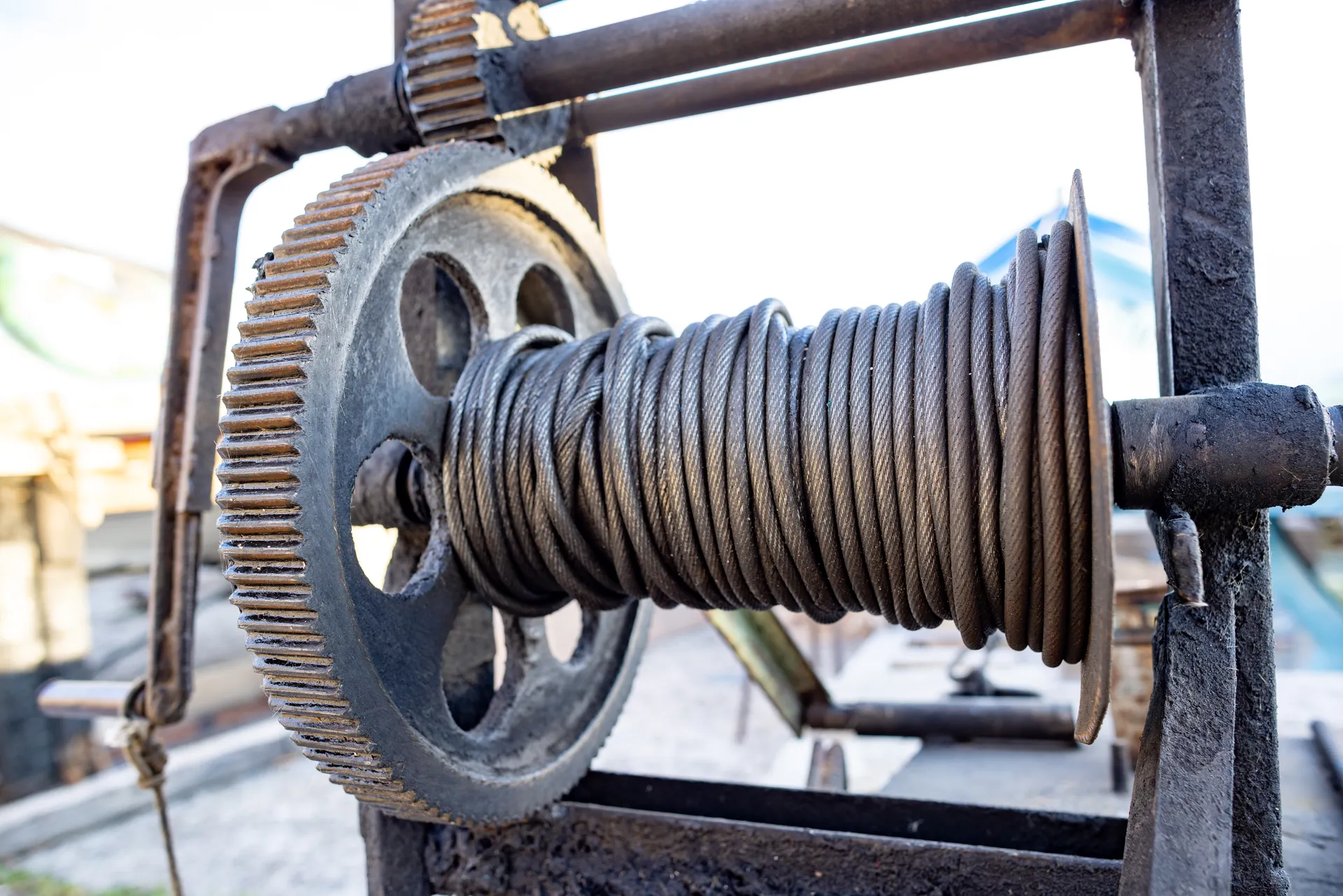
Every sectional garage door has a lift cable on each side. On a torsion spring system, each cable runs from a bottom bracket at the lower corner of the door, up along the inside edge of the track, to a grooved drum at the end of the spring shaft above the door. As the springs unwind, the drums turn and wind the cables, lifting the door evenly. On an extension spring system, the cables run from the bottom brackets up through pulleys tied to the springs, so the springs pull the door up as they shorten.
Either way, the cables are the link between the springs and the door. They are made from twisted strands of galvanized steel and sized to handle the load, but they are still only a fraction of an inch thick. If one cable is longer, looser or weaker than the other, the door lifts unevenly, binds in the tracks and twists the sections. That is why cable problems often show up first as a door that looks a little crooked or makes a new noise near one side. Catching it at that stage keeps the repair small.
Cables also sit at the exact point where the door meets the floor, which is where water, ice, road salt and debris collect. The bottom brackets that hold the cables are bolted to the lowest section of the door, often right next to the weatherseal. In a Wisconsin garage, that area gets wet from melting snow off the car many times each winter, and that is usually where rust and fraying start. A quick look at those lower corners tells us a lot about the health of the whole lift system.
- Galvanized steel lift cables, both sides
- Cable drums on torsion spring shafts
- Pulleys and sheaves on extension systems
- Bottom brackets at the door corners
- Even cable tension for a level door
- Safety cables through extension springs
How cables fail
Fraying, slipping and snapping
The most common cable failure we see is fraying near the bottom brackets. Moisture and salt sit at the bottom of the door and slowly corrode the steel strands. As individual strands rust and break, the cable gets weaker and starts to look fuzzy or flattened. Eventually it can snap under load, usually when the door is opening or closing. A cable can also wear against a bracket edge, a misaligned track or a pulley with a worn bearing, which cuts strands from the outside and speeds up the damage.
The second common failure is a cable that comes off its drum. This happens when the cable goes slack for a moment while the door is moving. Common causes are a door closing onto snow, ice or an object so the opener keeps running while the door has stopped, a broken spring that takes tension off the drum, or a door that was forced by hand while off balance. Once the cable jumps out of the drum grooves, it can wind in the wrong place or hang loose, and the door goes crooked.
Less often, the drum itself is the problem. Drums are held on the shaft with set screws, and if those loosen, the drum can slip and let the cable out on one side. Drums can also crack or wear their grooves smooth over time, especially on heavy doors. On extension systems, pulleys wear out, seize or crack, and a worn pulley can chew through a cable quickly. When we replace cables, we always check the drums or pulleys too, because a new cable on a bad drum will not last.
What we check
Replacing cables the right way
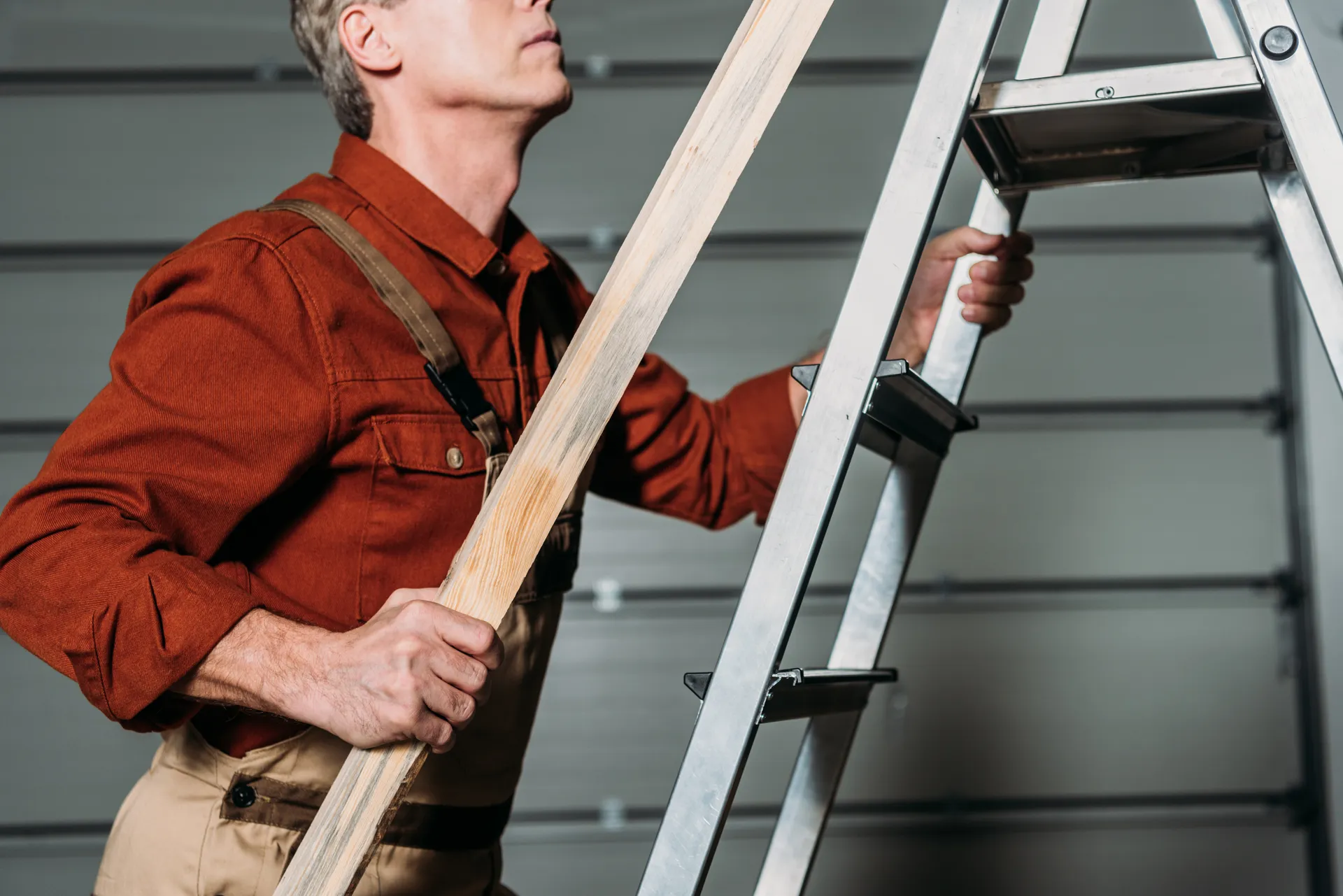
Cable work starts with making the door safe. Because the cables carry spring tension, we secure the door in the tracks and release or control the spring tension before we touch anything. A cable that is still under load, or a bottom bracket that is still holding tension, can whip loose and cause serious injury. This is why we ask homeowners never to loosen bottom bracket bolts, pull on a loose cable or try to rewind a cable onto a drum. Those steps belong to a trained technician with proper tools.
Next we inspect the whole lift system. We check the drums for cracks, worn grooves and loose set screws, the shaft and bearings for wear, and the springs for gaps, stretch or rust. We look closely at the bottom brackets, because a rusted or bent bracket is just as likely to fail as the cable it holds. On extension systems, we check the pulleys, the pulley forks and the safety cables. Anything that would shorten the life of new cables is pointed out and included in the quote. We also check track alignment, since a binding track can rub a cable on every cycle.
We usually replace cables in pairs. Both sides have seen the same cycles, weather and salt, so if one has failed, the other is rarely in good shape. New cables are cut or sized to the correct length for your door height, seated in the drum grooves, and tensioned evenly so the door hangs level. Then we rebalance the springs if needed, run the door through several cycles, and test the photo eye sensors and auto-reverse before we finish. We also show you what to watch for at the bottom corners, so you can spot early fraying long before it becomes a problem.
- Door secured before any cable work
- Drums checked for cracks and wear
- Set screws tightened on the shaft
- Bottom brackets inspected for rust
- Cables replaced and tensioned evenly
- Door leveled, balanced and safety tested

What to look for
Signs your cables need attention
Frayed or rusty strands
Look at the cables at the bottom corners of the door from a safe distance. Broken strands, a fuzzy look, flattened spots or orange rust mean the cable is weakening. It may still work for now, but it is closer to snapping. Do not touch it, just call for an inspection.
Door hangs crooked
A door that sits higher on one side, or closes with a visible gap under one corner, often has a slipped or stretched cable. The door is lifting unevenly, which twists the sections and can push rollers out of the track. Stop using the opener until it is checked.
Cable loose on drum
If you can see a cable hanging slack near the top of the door, or wound outside the grooves of the drum, it has come off track. It can bind or snap when the door moves. This often follows a door closing on ice or an object in the opening.
Snapping or whipping sound
A sharp snap followed by the door dropping on one side usually means a cable has broken. The door may now be held only by the other cable and is unsafe. Keep everyone clear, unplug the opener if you can do so safely, and call for help.
Door jerks or shudders
A door that jerks, shudders or pauses as it moves may have a cable riding badly on a worn drum or pulley. Uneven cable winding makes the door lift in steps. Left alone, it can wear the cable quickly or cause it to jump off the drum.
Rusted bottom brackets
The steel brackets at the bottom corners of the door hold the cables and carry spring tension. Heavy rust, cracks or bent edges mean the bracket itself could fail. Never loosen these bolts yourself. A bracket under tension can release suddenly and cause serious injury.
Our process
How we handle cable replacement
The same careful routine on every visit, so nothing gets missed.
- 1
Assess and secure
We look at how the door is hanging, which cable has failed and whether the door is safe to move. Then we secure it in the tracks and control the spring tension so the cables and bottom brackets can be worked on safely without any risk of sudden movement.
- 2
Inspect the lift system
We check drums, set screws, shaft, bearings, springs, bottom brackets, pulleys and track alignment. We find out why the cable failed so the new cables are not damaged by the same problem. You get a clear explanation and a price before work starts.
- 3
Install new cables
We replace the cables, usually in pairs, sized to your door's height and weight. They are seated in the drum grooves or threaded through the pulleys correctly, and tensioned evenly so the door hangs level in the opening and lifts straight up the tracks.
- 4
Balance and test
We rebalance the springs if needed, check that the door lifts evenly by hand, and run it through several full cycles with the opener. We finish by testing the photo eye sensors and auto-reverse and adjusting the opener's force and travel limits.
Repair or replace
When a cable job is really something more
Sometimes a cable that has slipped off its drum can be reseated, but only if it is undamaged. Once a cable has been kinked, crushed or wound in the wrong place under load, it is weakened and should be replaced. The same goes for cables with any broken strands. Steel cable does not heal, and a cable that looks mostly fine with a few frayed strands is close to the point where it can let go. We will tell you honestly whether reseating is safe or not, and we never reuse a cable we would not trust on our own door.
A snapped or slipped cable often points to another part. If a spring broke and caused the cable to go slack, both the spring and the cables need attention. If the door keeps closing on ice and slackening the cables, the opener limits and force settings may need adjusting, and the bottom seal may need replacing so the door seals without freezing to the slab. If a track is bent and the door is binding, new cables will just wear out again. Fixing the cause is what makes the repair last.
In some cases, a cable failure has bent the bottom section of the door, cracked a hinge or pulled a roller out of the track. When the door has dropped or twisted badly, we check every section for damage before putting it back into service. Most of the time the door can be repaired with new hardware. If the bottom section is badly bent or rusted through at the brackets, we explain whether a single section replacement makes sense or whether the door has reached the end of its life.
What affects the price
One side or both
Replacing a single cable costs less on the day, but pairs are usually recommended because both sides have aged together. Even tension on both sides also keeps the door level. We quote both options and explain why we lean toward a matched pair.
Drums and pulleys
If the drums are cracked or worn smooth, or extension pulleys are seized or chewed up, they need replacing with the cables. Worn drums and pulleys are a common reason new cables fail early, so we check them on every cable repair.
Bottom bracket condition
Rusted or bent bottom brackets have to be replaced before new cables can be attached safely. Heavily rusted brackets can also require extra time to remove. This is common on doors that sit in snowmelt and road salt every winter.
Damage to the door
When a cable snaps and the door drops or twists, it can bend the track, crack hinges, pop rollers or crease the bottom section. Any extra damage adds parts and time, which is one reason to stop using the door as soon as a cable fails.

Local know-how
Road salt, snowmelt and cables in Pewaukee garages
In Pewaukee, garage door cables take their worst beating at the floor. Every winter, cars come home from salted stretches of I-94, Highway 16 and Capitol Drive carrying slush that melts onto the garage floor and pools against the bottom of the door, right where the cables connect to the bottom brackets. After a few seasons, that salty water rusts the lowest few inches of cable and bracket long before the rest of the door shows any wear. Lake homes along the shoreline add damp air off Pewaukee Lake, and older garages in the Village and around Duplainville often have uneven slabs that let water collect in one corner, which is why one cable often fails before the other. Rinsing salt slush away from the door during winter thaws and keeping the bottom seal in good shape both help. We check the lower corners closely on every visit.
Cable Replacement FAQ
Questions about cable replacement
Answers from the technicians who do this work across Pewaukee every week.
Ask a technicianCan I put a cable back on the drum myself?
Please do not. A cable that has come off its drum is part of a system under spring tension, and rewinding it means working near the drum, the springs and the bottom bracket while that tension is present. If anything slips, the cable or drum can move suddenly and cause serious injury. A trained technician will secure the door and control the tension before any cable work.
Why did my cable come off the drum?
Most often the cable went slack for a moment while the door was moving. That happens when the door closes on ice, snow or an object and the opener keeps running, when a spring breaks, or when the door is forced while out of balance. Loose drum set screws and worn drums can also cause it. We find the cause so it does not happen again.
Should both cables be replaced at once?
Usually yes. Both cables have the same age, the same number of cycles and the same exposure to moisture and salt. When one frays or snaps, the other is often close behind. New cables on both sides also make it easier to set even tension so the door hangs level. If you prefer to replace only one, we will explain the trade-off clearly.
Is it safe to use the door with a frayed cable?
A frayed cable can break at any time, especially under the load of a heavy door in cold weather. If you see broken strands, it is safest to stop using the door until it is repaired. If the door must be used, keep everyone clear of the opening while it moves, and call to schedule a cable replacement as soon as you can.
How long do garage door cables last?
Cables often last many years in a dry garage, but moisture, salt and wear from worn drums or pulleys shorten that a lot. In Wisconsin garages, cables usually fail at the bottom brackets first because of snowmelt and road salt. A yearly inspection, ideally in the fall, catches fraying and rust before a cable breaks during the coldest part of winter.
Are lift cables the same as safety cables?
No. Lift cables raise and lower the door and are found on every sectional door. Safety cables are threaded through extension springs, the long springs that run beside the horizontal tracks, so that if a spring breaks, the pieces are held in place instead of flying across the garage. If your extension springs lack safety cables, we recommend adding them.

Frayed or broken cable? Call us
Keep clear of the door and let us handle it. We will secure the door, replace the cables, check drums and brackets, level and test everything, and quote the price before work starts.
More services
Other ways we help Pewaukee homeowners
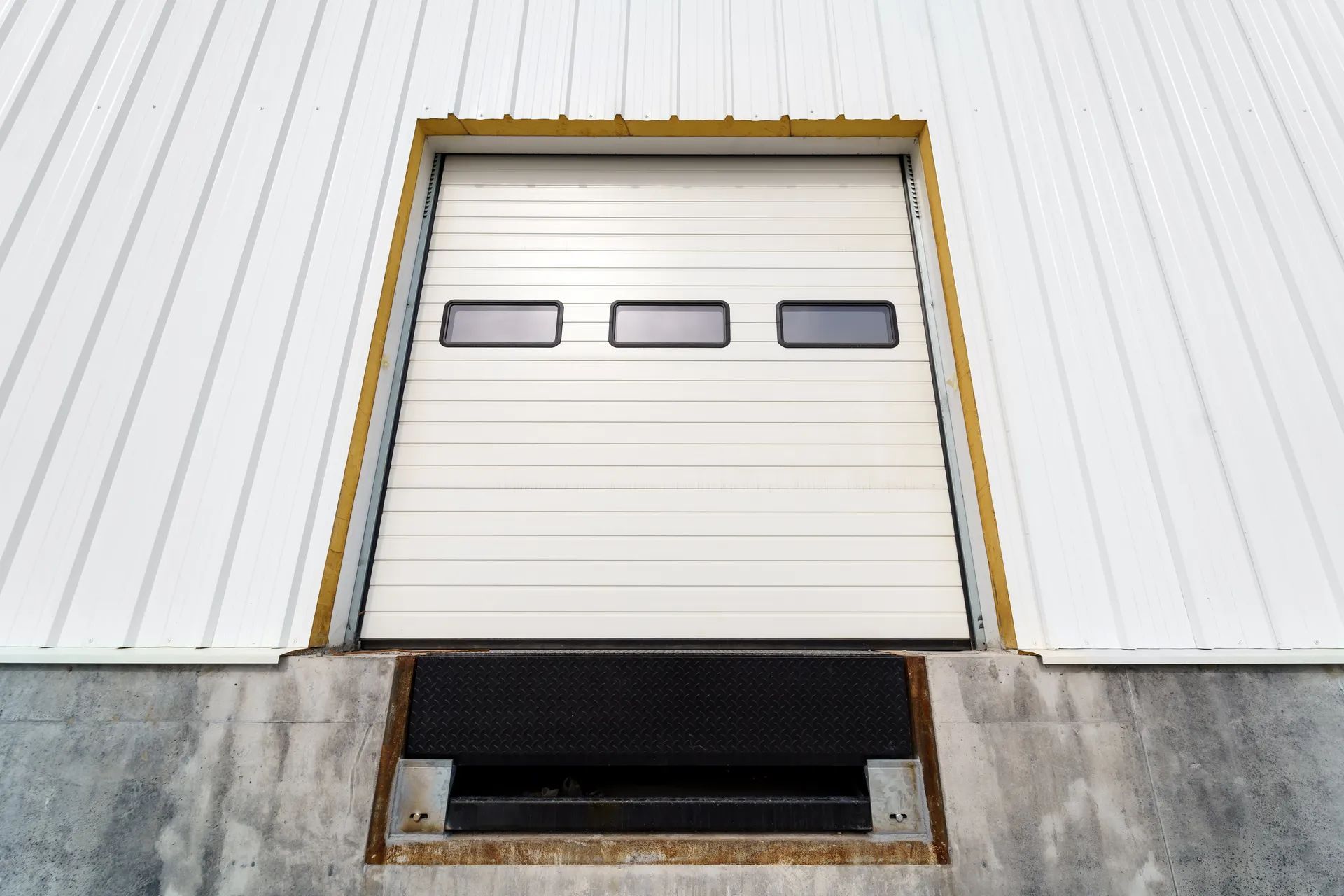 Service & RepairRoller ReplacementQuiet sealed-bearing rollers that stop the grinding and ease the opener.
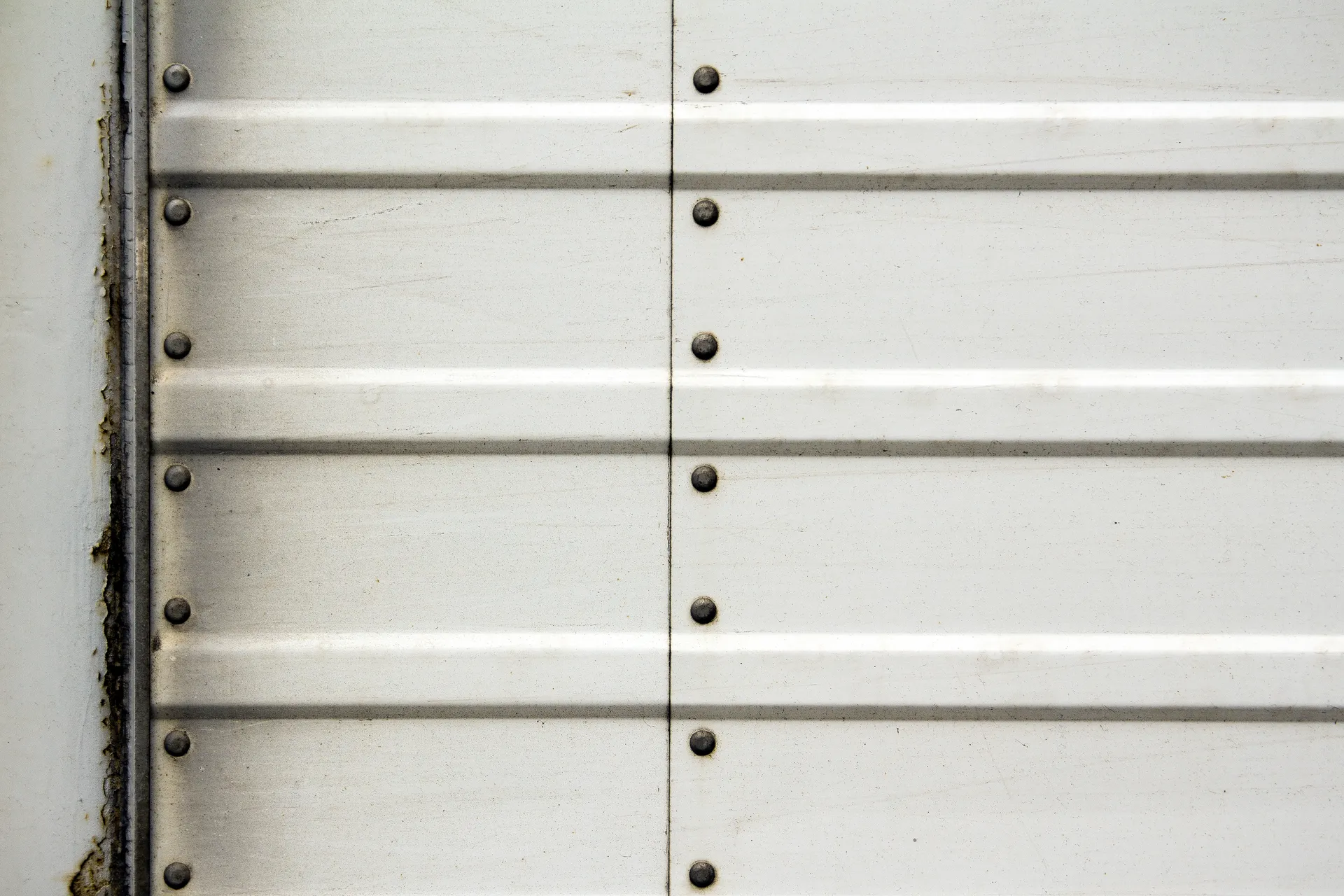 Service & RepairPanel ReplacementDented or cracked section matched and replaced so the door seals again.
 Service & RepairTrack ReplacementBent or loose tracks straightened or replaced and re-anchored square.