
- Home
- Garage Door Openers
- Opener Installation
New Opener Installs
Garage Door Opener Installation in Pewaukee, WI
A new garage door opener should be quiet, reliable and safe around kids, pets and cars. Pewaukee Garage Doors installs chain, belt, screw drive and wall-mount openers for homes across Pewaukee, WI. We help you pick the right drive and motor for your door, set it up with battery backup and smart control if you want them, and test the safety sensors and auto-reverse before we leave.
- Same-day service
- Price before we start
- Safety-tested
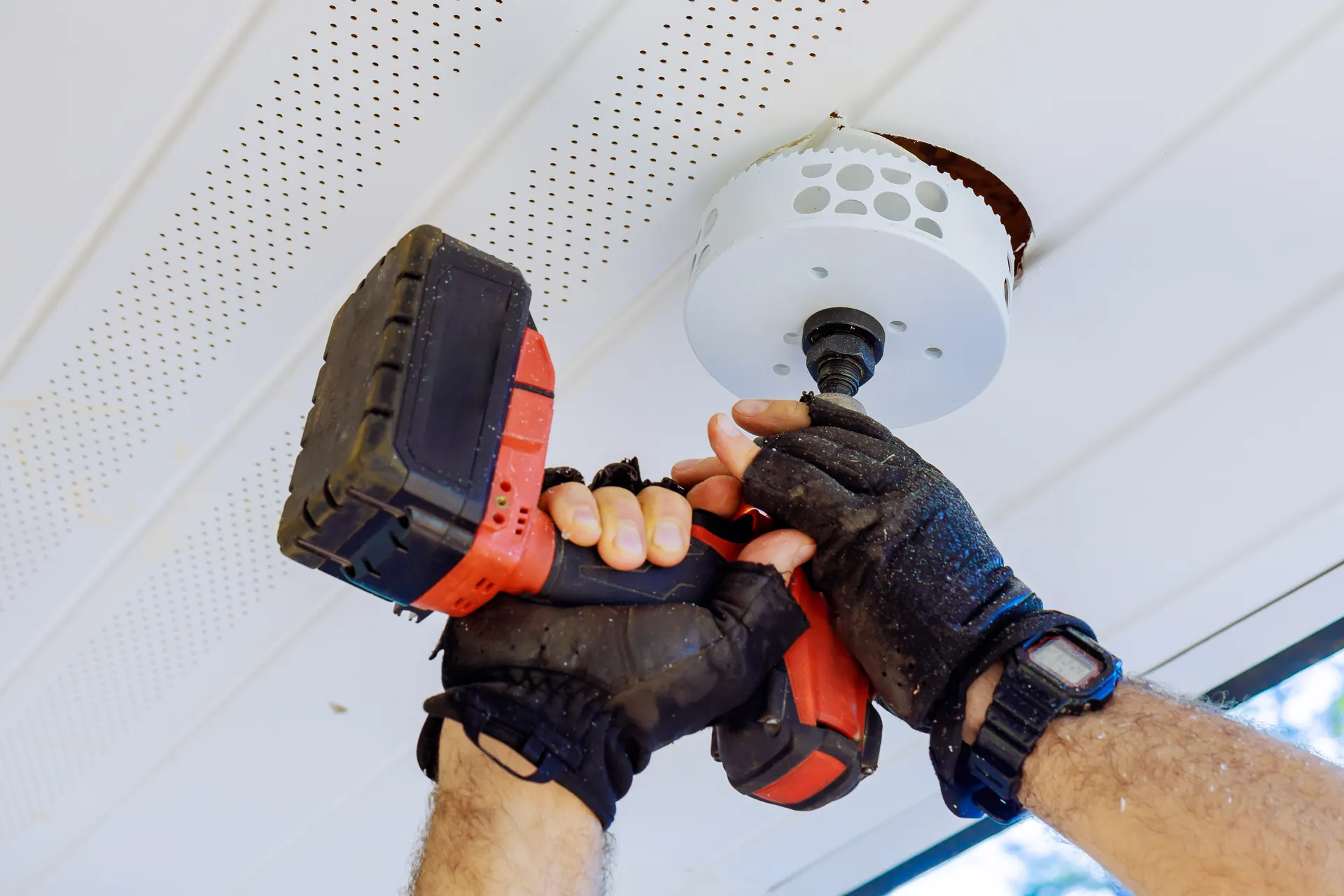
Drive Types
Choosing the Right Opener Drive System
Chain drive openers use a metal chain, much like a heavy bicycle chain, to pull a trolley along a rail that runs from the motor to the door. They're durable, handle heavy doors well and have been the standard for decades. Their main downside is noise and vibration, which matters when there's a bedroom or living space above or beside the garage. Modern chain units with DC motors and soft start and stop are much quieter than the old ones, but they still make more sound than a belt. For a detached garage, a chain drive remains a practical, sturdy choice.
Belt drive openers use a reinforced rubber or polyurethane belt in place of the chain. They're noticeably quieter and smoother, which makes them the most popular choice for attached garages and homes with rooms over the garage. Screw drive openers move the trolley with a long threaded steel rod. They have fewer moving parts and can be quick, but some models are more sensitive to big temperature swings and the rod needs occasional lubrication. In a very cold garage, a screw drive may run slower or louder until it warms up. Each drive type has its place, and we'll explain the tradeoffs.
Wall-mount openers, often called jackshaft openers, mount on the wall beside the door and turn the torsion shaft directly. They don't need a rail across the ceiling, which frees overhead space for storage racks, a car lift or a vaulted ceiling. They work with torsion spring systems and are a natural pairing with high-lift track. They're also very quiet, since the motor isn't hanging from the ceiling over the car. They do have installation requirements, including enough side room beside the end of the torsion shaft and a nearby outlet, which we check before we recommend one for your garage.
- Chain drive for strength and value
- Belt drive for quiet, smooth operation
- Screw drive with fewer moving parts
- Wall-mount for open ceiling space
- DC motors with soft start and stop
- Rail extensions for eight-foot-tall doors
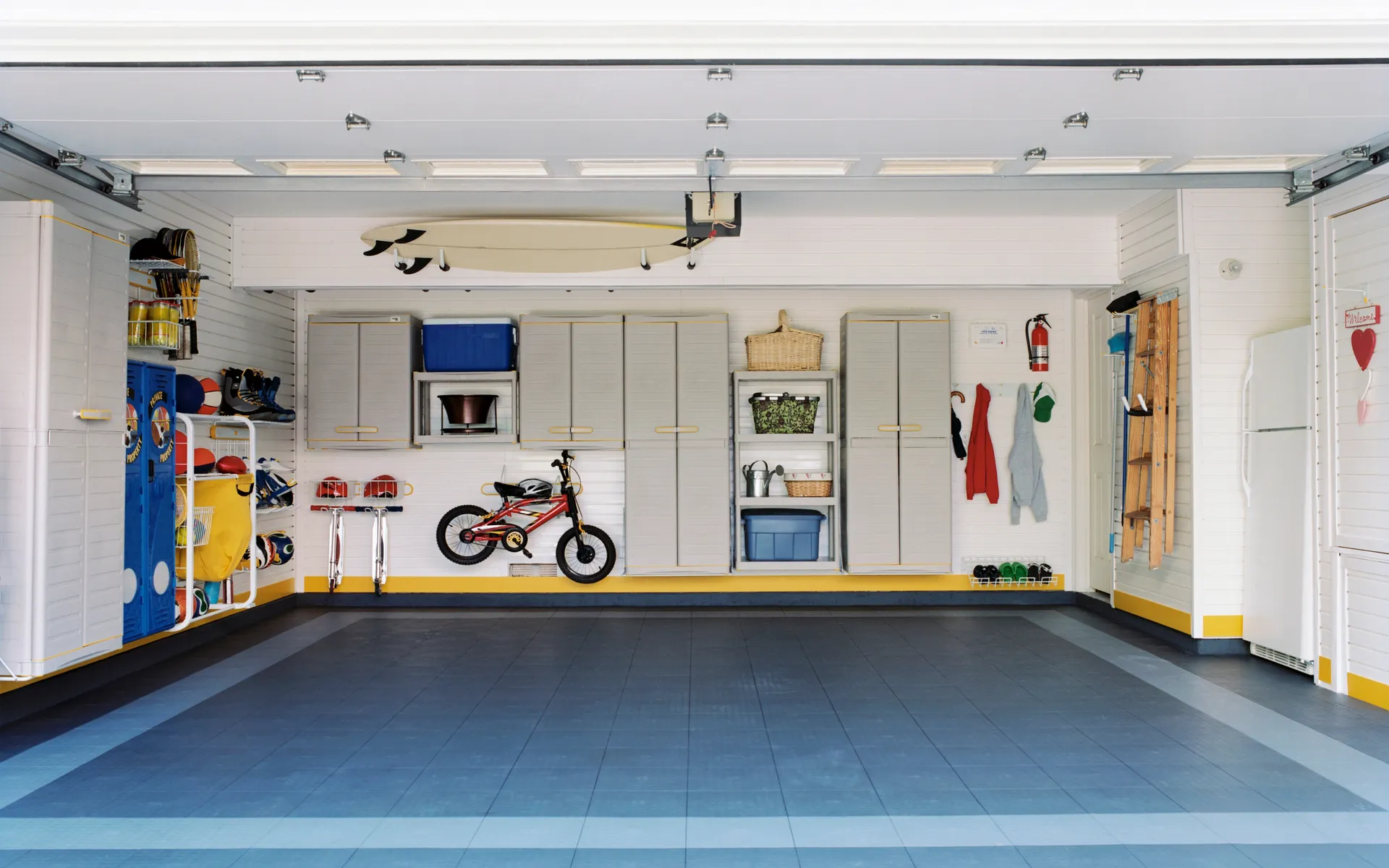
Power and Features
Horsepower, Battery Backup and Smart Control
Opener horsepower is often misunderstood. The opener isn't supposed to lift the full weight of the door. The springs do that, and the opener only moves a door that's already balanced. Still, a heavier door, such as an insulated double door, a wood carriage door or an oversized door, benefits from a stronger motor that runs cooler and lasts longer. Many newer openers use DC motors labeled with a horsepower equivalent, which makes direct comparisons with older AC motors tricky. We match motor strength to your door's actual size and weight rather than choosing by the number printed on the box.
Battery backup lets the opener run for a limited number of cycles when the power goes out. That's useful during summer thunderstorms and winter ice storms, and especially for homeowners who don't want to pull the emergency release and lift a heavy door by hand. California has required battery backup on new openers sold there since 2019, so many current models offer it as a built-in or add-on feature. It isn't required in Wisconsin, but we suggest it for anyone who parks inside and uses the garage as their main way into the house. Backup batteries wear out and need periodic replacement.
Smart openers connect to your home Wi-Fi and let you open, close and check the door from a phone app. You can get alerts when the door opens, set schedules, close a door you forgot about, and give temporary access to a dog walker or a family member. Some systems also work with home automation platforms or in-garage delivery services. Wi-Fi signal in a garage can be weak, especially in detached garages or homes with the router at the far end of the house, so we check the signal at the opener location before installing and suggest options if it's poor.
Safety Standards
Safety Sensors and UL 325 Auto-Reverse
Residential garage door openers sold in the United States must meet the UL 325 safety standard, which requires automatic reversing. An opener has to reverse if the door contacts an obstruction while closing, and since 1993 it also has to include an external entrapment protection system. In practice that is almost always a pair of photo-eye sensors mounted near the floor on each side of the door. If something breaks the invisible beam between them while the door is closing, the door stops and reverses. These rules exist because garage doors are heavy, and closing doors have seriously injured children and adults.
Sensors must be mounted low, no more than six inches above the floor, aimed directly at each other and wired securely. We mount them on solid brackets so a bump from a trash can or snow shovel doesn't knock them out of line. We also set the opener's travel limits and force. Close force should be just enough to close the door reliably, not so high that the opener pushes through an obstruction. After installation we test auto-reverse by laying a flat 2x4 board on the floor in the door's path, the standard test, to confirm the door reverses on contact.
We also mount the wall control within sight of the door and at least five feet off the floor, out of reach of small children, and we show you how the emergency release works. That's the red handle on the trolley that disconnects the door from the opener so you can move it by hand during a power outage. Use it with the door closed whenever possible, because a door with a broken spring can fall fast once it's released. We also recommend testing the sensors and auto-reverse once a month. It takes about a minute and catches problems early, before anyone gets hurt.
- Photo-eye sensors near the floor
- Obstruction test with a flat board
- Close force set as low as practical
- Wall control mounted out of reach
- Emergency release shown and explained
- Monthly safety test walked through

What to look for
Signs It's Time for a New Opener
Your Opener Is Aging Out
Openers from the 1990s and early 2000s often lack rolling-code security, battery backup and smart control. Even if one still works, replacement parts get harder to find, and repairs may not make sense on an opener that's already near the end of its useful life.
No Safety Sensors Installed
If your opener has no photo-eye sensors near the floor, it likely predates 1993 and doesn't meet current safety requirements. That's a strong reason to replace it, especially in a home where children or pets use the garage or play in the driveway.
Loud, Rough Operation
Excess noise, vibration and grinding often mean worn gears, a stretched chain or a tired motor. If there's a bedroom or living space above or next to the garage, upgrading to a quiet belt drive or a wall-mount opener can make a big difference every morning.
Repairs Keep Adding Up
If you've replaced the gear, the logic board and the sensors over the past few years and the opener is still acting up, the money may be better spent on a new unit with modern features, a fresh motor and parts that are easy to get.
Remotes Aren't Secure
Older openers that use dip switches or fixed codes can be copied or guessed. Modern openers use rolling-code technology that changes the code each time you press the button, which makes the garage a much harder way for someone to get into the house.
You Want New Features
Battery backup, phone control, quieter motors, keypad entry and better built-in lighting are all common reasons to upgrade. A new opener can add real everyday convenience even when your current one technically still opens and closes the door without any trouble.
Our process
How we handle opener installation
The same careful routine on every visit, so nothing gets missed.
- 1
Check the Door First
We inspect the springs, cables, rollers and track and check the door's balance by hand. A new opener should never be used to hide a door problem, so we tell you about any issues before installing anything and quote any repairs separately.
- 2
Choose the Right Opener
We go over drive types, motor strength, battery backup, smart control and accessories based on your door, your garage layout and how you use it. You get a clear quote before work starts, with no surprise add-ons on the day.
- 3
Install and Wire
We mount the opener and rail, reinforce the top section where needed, mount the safety sensors and wall control, run the wiring neatly, program remotes and keypads, and connect smart features. We also remove and haul away the old opener.
- 4
Set, Test and Explain
We set travel limits and force, test the sensors and auto-reverse, and run the door through several full cycles. Then we show you how to use the opener, the emergency release and the quick monthly safety test so you can keep it working safely.
Installation Day
What a Proper Opener Install Includes
A good opener installation starts with the door, not the opener. Before mounting anything, we check that the door is balanced, the springs and cables are in good condition, and the rollers, hinges and track move freely. An opener installed on a door that's out of balance will wear out early and may not reverse reliably, because it's already straining to move the door. If we find a problem with springs, cables or track, we tell you before going further and quote it separately, so the new opener isn't covering up a hidden issue that will cause trouble later.
Next we mount the opener securely to the ceiling framing or the wall, assemble the rail, and attach the door bracket to a properly reinforced top section. Many lighter steel doors need a reinforcing strut on the top section where the opener arm connects, to keep that section from bending over time. We run the low-voltage wiring for the wall control and safety sensors neatly along the walls and ceiling and confirm there's a suitable outlet near the motor. Then we program your remotes and keypad, and set up the phone app if your opener has smart features.
With everything mounted, we set the travel limits so the door closes fully against the floor and opens to the right height, adjust the force, test the safety sensors and auto-reverse, and run the door through several full cycles. We remove the old opener and packaging, haul it away, and leave the garage clean. Then we walk you through how everything works, including how to add a remote, how to use the emergency release, and how to do the monthly sensor test. You'll know how to use and look after your new opener before we leave your driveway.
What affects the price
Drive Type
Chain drive openers are usually the most budget-friendly option, belt drives cost more for their quieter operation, and wall-mount jackshaft openers generally sit at the top of the range because of their design and their extra installation requirements.
Motor and Features
Stronger motors, DC drives, battery backup, Wi-Fi control, integrated lighting and extra accessories all add to the price. We help you choose the features you'll actually use, instead of paying for ones that will never leave the box.
Door Size and Height
Taller doors need rail extension kits, and heavy or oversized doors may call for a stronger opener. Wall-mount openers have their own needs, including a torsion spring system and enough side room next to the end of the shaft.
Installation Conditions
High or vaulted ceilings, finished ceilings without exposed framing, no outlet near the opener location, or a door that needs repairs before the opener goes in can all add time and materials to the job. We point these out when we quote.

Local know-how
Openers Built for Pewaukee Winters and Storm Season
In Pewaukee, the attached garage is the real front door for a lot of families from November through March. You pull in off Capitol Drive or Highway 164 in the dark with snow coming down, and you want the door to open the first time. Cold slows motors and stiffens lubricant, which is one reason we often suggest a belt or chain drive with a DC motor for garages that stay cold all winter. Summer thunderstorms rolling across Pewaukee Lake can knock out power, so battery backup is worth a look for lakefront homes and anyone who doesn't want to lift a heavy insulated door by hand. In the newer subdivisions with tall ceilings and three-car garages, wall-mount openers free up space for storage racks and kayaks. In older ranches with bedrooms next to the garage, a quiet belt drive keeps the house asleep when someone leaves early for work.
Opener Installation FAQ
Questions about opener installation
Answers from the technicians who do this work across Pewaukee every week.
Ask a technicianWhich garage door opener type is best?
It depends on your garage. Belt drives are the quietest choice for attached garages and rooms above. Chain drives are durable and cost-effective, especially for detached garages. Screw drives have few moving parts but some models are sensitive to cold. Wall-mount openers free up ceiling space and work with torsion springs. We'll recommend one based on your door, layout and priorities.
What horsepower opener do I need?
For most single and double residential doors, a mid-range opener is plenty, because the springs do the lifting and the opener only moves a balanced door. Heavier doors, like insulated double doors, wood carriage doors or oversized doors, benefit from a stronger motor. Many DC openers list horsepower equivalents, so we look at your door's actual weight and size rather than the label alone.
Do you install openers from different brands?
Yes. We install openers from widely available brands such as LiftMaster, Chamberlain and Genie, and we help you compare models based on your door, budget and the features you want. If you already bought an opener, we can usually install it, as long as it suits your door and comes with the safety sensors and mounting hardware it needs for a proper install.
Can I keep my old remotes with a new opener?
Usually not. Older remotes often use different radio frequencies or fixed codes, while modern openers use rolling-code security. Most new openers come with at least one remote and a wall control, and many work with universal remotes or the built-in buttons in many cars, sometimes with an adapter. We program everything and test each remote and keypad before we leave.
Do I need battery backup on my opener?
It isn't required in Wisconsin, but it's helpful if you park in the garage, use it as your main entry or would have trouble lifting the door by hand. Battery backup lets the opener run for a limited number of cycles during an outage. The battery wears out over time and should be replaced every few years, depending on the model and use.
How long does an opener installation take?
A standard replacement on a door in good condition usually takes a few hours, including removing the old opener, mounting the new one, wiring the sensors and wall control, setting limits and testing safety features. Wall-mount openers, tall doors, finished ceilings or door repairs needed beforehand can add time. We'll give you a realistic estimate when we quote the job.

Ready for a Quieter, Safer Opener?
Call Pewaukee Garage Doors to talk about a new opener. We'll check your door, help you choose the right drive and features, and quote the installation before any work starts.
More services
Other ways we help Pewaukee homeowners
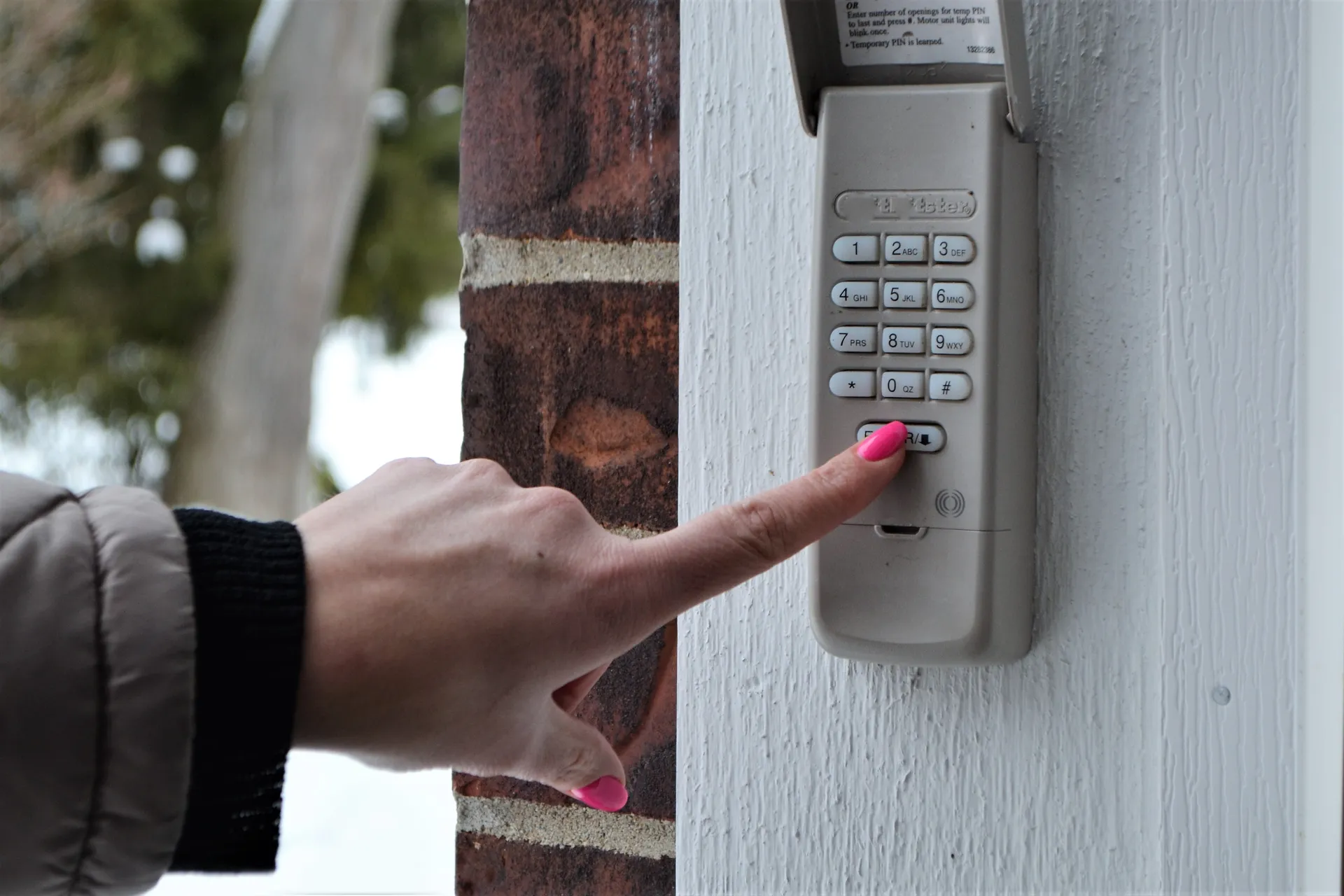 Garage Door OpenersOpener RepairRemotes, keypads, sensors, gears and logic boards repaired on site.
 Service & RepairGarage Door RepairLoud, crooked, slow or stuck. We find the cause and fix it properly.
 Service & RepairEmergency RepairDoor stuck open or car trapped inside? Call early for same-day help.