- Home
- Garage Doors
- Garage Door Materials
Pick the right material
Garage Door Materials in Pewaukee, WI
The material your garage door is made from decides how it handles road salt, subzero nights, humid summers and the damp air near Pewaukee Lake. It also shapes how much upkeep the door needs and how it looks from the street. We help Pewaukee homeowners compare steel, real wood, wood-look composite, fiberglass, aluminum with glass, and vinyl, with honest pros and cons, so you can choose a door that fits your home and the way you use your garage.
- Same-day service
- Price before we start
- Safety-tested
Steel doors
Steel gauges and insulation explained in plain terms
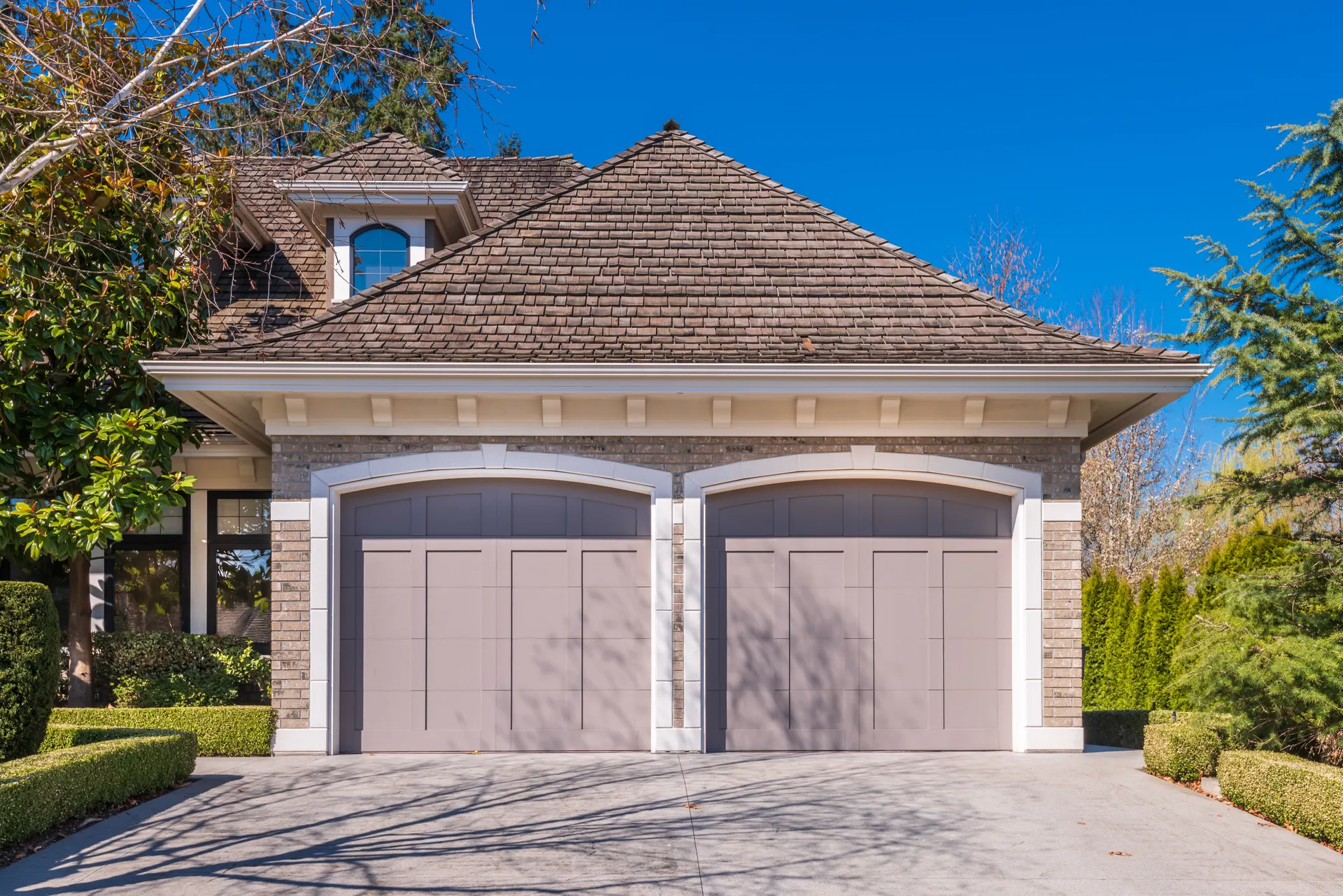
Steel is the most common garage door material in Pewaukee for good reasons. It is strong, comes in many styles and colors, and handles cold weather without warping or cracking. Steel thickness is described by gauge, and the numbering runs backward: a lower gauge number means thicker steel. A 24-gauge skin is noticeably thicker and more dent resistant than a 25 or 27-gauge skin. Thinner steel keeps the cost down but dents more easily from a basketball, a bike handlebar or a snowblower chute bumped against the bottom panel on a busy winter morning.
How the door is built behind the steel matters just as much as the gauge. A single-layer steel door is just the outer skin with no backing. A two-layer door adds a polystyrene insulation board behind the skin. A three-layer door sandwiches insulation between two steel skins, and doors filled with injected polyurethane foam bond the insulation to both skins, which stiffens each panel. That stiffness helps on wide double doors that would otherwise flex, and the foam also dampens noise, so the door sounds solid instead of rattling every time it moves.
The weak point on any steel door in Wisconsin is corrosion. Road salt, slush and meltwater collect at the bottom of the door all winter, and once the paint is scratched, rust can start at the bottom edge and creep up. Good steel doors use galvanized steel with a baked-on primer and topcoat, and the bottom section takes the most abuse. Rinsing salt off the lower panels a few times each winter and touching up chips early goes a long way toward keeping a steel door looking good for years.
- Lower gauge number means thicker steel
- 24-gauge skins resist dents best
- Polyurethane foam adds stiffness and quiet
- Polystyrene inserts are lighter and simpler
- Galvanized steel slows rust from salt
- Rinse lower panels during salty winters
Wood and composite
Real wood and wood-look composite compared
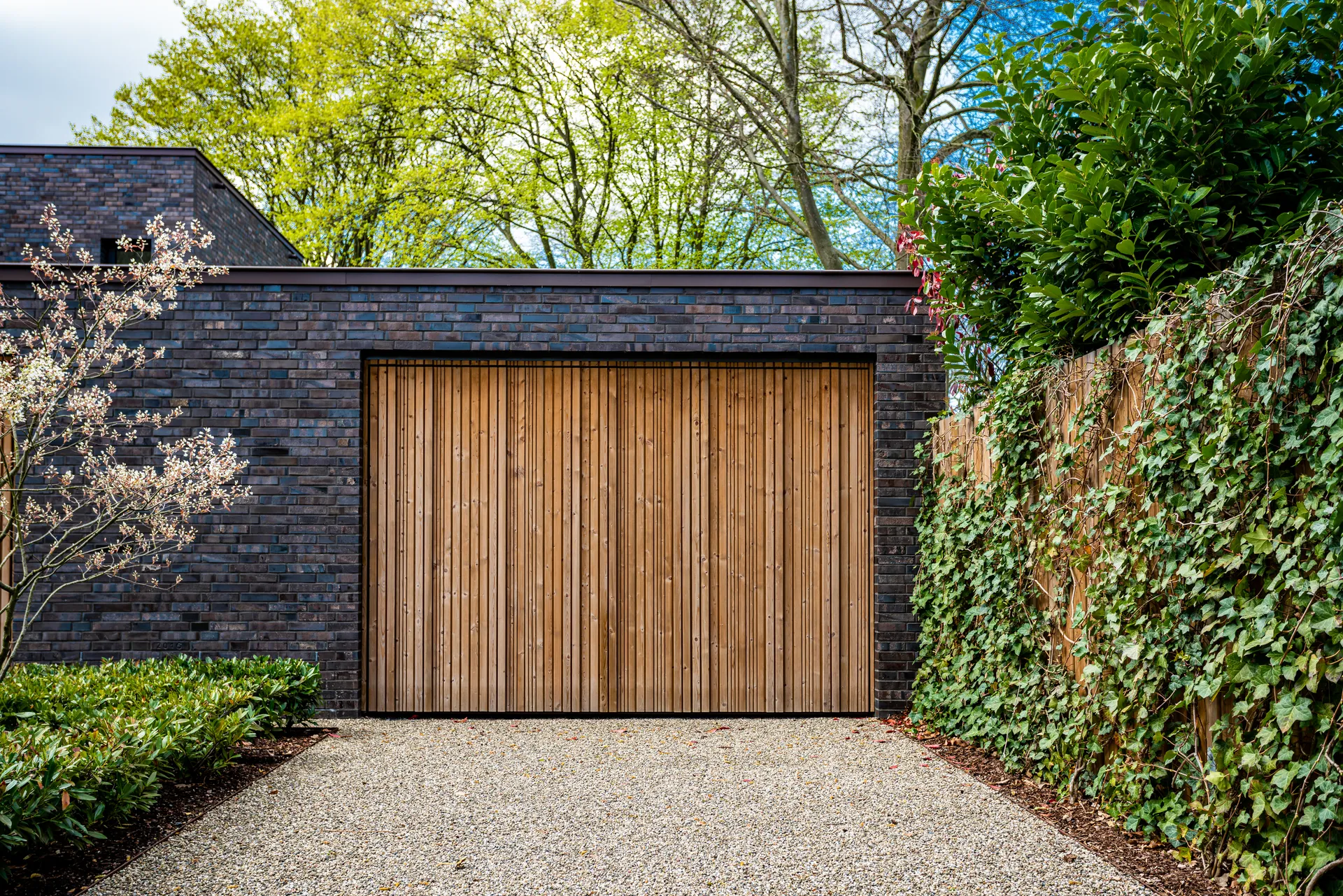
Real wood garage doors have a warmth and depth that is hard to copy, and they suit lake homes, cottages and craftsman-style houses especially well. Cedar, hemlock and other species can be stained or painted, and a well-built wood door can be a real centerpiece. The tradeoff is maintenance. Wood moves as humidity changes, and in Wisconsin it goes from humid summers to bone-dry heated winters. Without a good finish kept up on every side, including the top and bottom edges, wood can swell, crack, check and eventually rot from the bottom up.
Wood doors are also heavy, which means larger springs and more load on the opener, and most offer less insulation than a foam-filled steel door unless they are built with an insulated core. Near Pewaukee Lake, where the air carries extra moisture and lake wind drives rain against the door, refinishing is not optional. Expect to inspect the finish every year and recoat on a regular schedule, especially on the sun-facing side. Homeowners who enjoy that kind of upkeep love wood doors. Others find it becomes a chore within a few seasons.
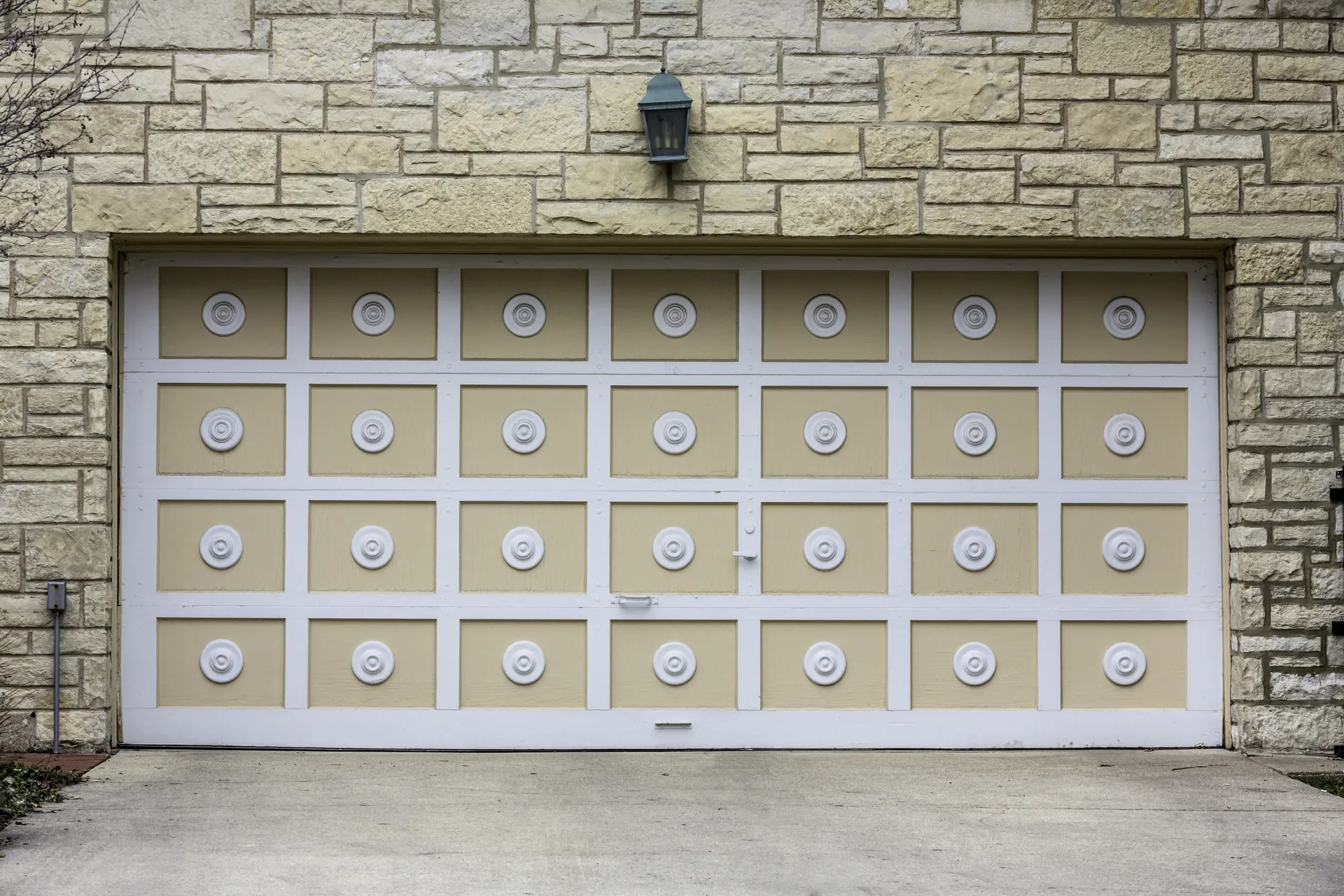
Wood-look composite doors aim to give you the look without the upkeep. Most use a steel door with a composite or textured overlay that is shaped and colored to look like wood grain, or a molded composite skin over an insulated core. They do not absorb water the way real wood does, so they resist rotting, swelling and splitting. Up close, a composite door may not fool an expert, but from the driveway most people cannot tell the difference. For a lake home that wants a natural look with lower maintenance, composite is often a smart middle ground.
Other materials
Fiberglass, aluminum, glass and vinyl doors
Fiberglass doors use a fiberglass skin, often over a steel frame with insulation inside. They do not rust, they shrug off salt air and moisture, and they can be molded with a wood grain texture. That makes them a reasonable option near the water. The downside is that fiberglass can become more brittle in deep cold, so a hard hit on a subzero morning may crack it rather than dent it. Over many years in strong sun, some fiberglass finishes can fade or yellow, so finish quality matters a lot.
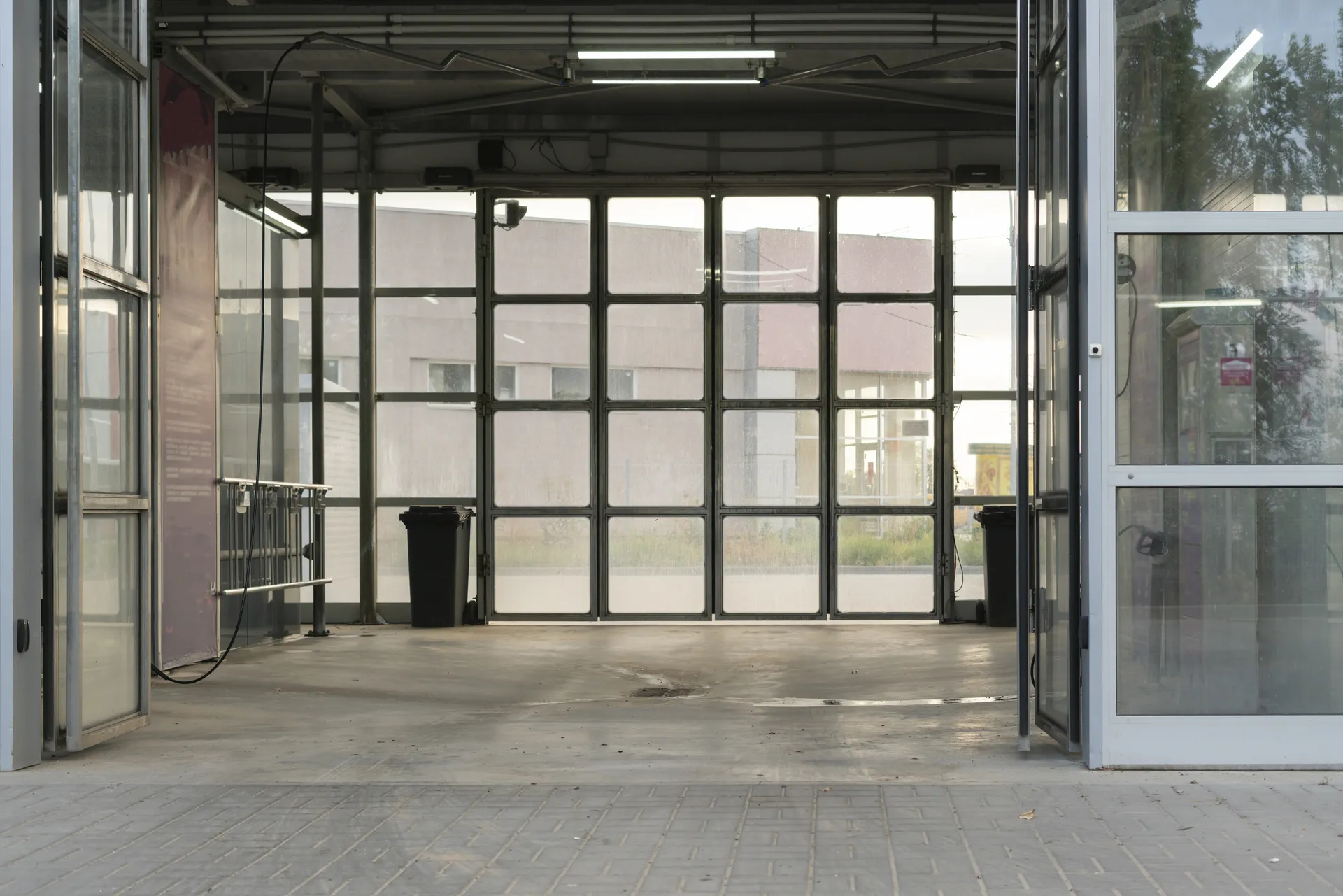
Aluminum and glass doors, often called full-view doors, use an aluminum frame with large glass or acrylic panels. Aluminum does not rust, and the frames are light, which reduces the load on springs and openers. These doors look sharp on modern homes and flood the garage with daylight. In a Wisconsin winter, though, the glass loses heat much faster than an insulated steel panel, and aluminum skins dent more easily. Insulated glass units, thermally improved frames and tempered or laminated glass help, but they will not match a foam-filled steel door for warmth.
Vinyl garage doors are less common but worth knowing about. They typically use a vinyl skin over a steel frame with insulation, and the vinyl will not rust, rot or show small dents the way thin steel can. That makes vinyl practical for families with kids who play in the driveway. Color choices are usually narrower, and the color goes through the material, so painting is not really recommended. As with any plastic, very cold temperatures can make vinyl stiffer, so it is worth discussing how the door will be used before deciding.
- Fiberglass resists rust and lake moisture
- Fiberglass can crack in deep cold
- Aluminum frames are light and rustproof
- Full-view glass trades warmth for daylight
- Vinyl hides small dents and scrapes
- Vinyl colors are limited and not paintable

What to look for
Signs your current material is not holding up
Rust along the bottom
Bubbling paint and orange streaks along the bottom edge of a steel door mean salt and moisture have reached bare metal. Small spots can be cleaned and touched up, but rust that has eaten through the skin or spread across the bottom section usually means a panel or door replacement.
Wood that is rotting
Soft spots, peeling finish, dark staining and gaps opening at the panel joints are signs water has gotten into a wood door. Once rot reaches the stiles and rails, the door loses strength, gets heavier as it soaks up water and can go out of balance with its springs.
Dents that keep adding up
Thin single-layer steel dents easily, and every dent weakens the panel a little. If your door has collected dents from bikes, balls and car bumpers, a thicker gauge, foam-filled door or a dent-resistant material like vinyl may serve your household better from now on.
Panels that flex or bow
A wide door that visibly bends as it opens, or sections that bow in the middle, may not be stiff enough for its width. Struts can help, but older non-insulated doors often lack the rigidity of a door with bonded foam, which can lead to cracking and binding.
Faded or chalky finish
When a door's color has faded badly or leaves a chalky residue on your hand, the protective finish is breaking down. On steel, that leaves the metal more exposed to corrosion. On fiberglass and wood, sun and weather can begin to damage the material underneath the coating.
Garage always feels cold
If the space stays cold even with the door closed, the material may simply not insulate well. Single-layer steel, older wood and thin glass panels let heat escape quickly. Switching to a foam-insulated door with good seals can make the garage and nearby rooms more comfortable.
Our process
How we handle garage door materials
The same careful routine on every visit, so nothing gets missed.
- 1
Talk about your garage
We start by asking how you use the garage, whether it is attached or heated, and how much maintenance you are willing to do. We look at the direction the door faces, the slope of the drive and how close the home is to the lake.
- 2
Compare material options
We walk you through the materials that suit your opening, explain steel gauge and insulation choices, and show how wood, composite, fiberglass, aluminum and vinyl differ in weight, warmth, durability and upkeep. You see the tradeoffs clearly before choosing anything.
- 3
Measure and quote
We measure the opening, headroom and side room, check the framing, and confirm the material you chose will work with your space and opener. You receive a written quote that lists the door, insulation, hardware and installation, with the price set before work starts.
- 4
Install and finish
We remove and haul away the old door, install the new door with new springs and tracks sized for its weight, fit weather seals, and balance and safety test the system. We also explain how to care for your new door's specific material.
Making the choice
Matching material to your garage and budget
The best material depends on how you use the garage. If it is attached and shares walls with living space, a foam-insulated steel or composite door makes a real difference in comfort. If you work out there, store a second fridge or keep a boat battery charging all winter, warmth matters even more than usual. A detached garage that only holds lawn equipment may not need insulation at all. Thinking about those daily uses first narrows the choices quickly, before you ever look at colors, window designs, decorative handles or hinge styles.
Location on your lot matters too. A door that faces west into the prevailing wind or sits close to the lake gets more weather than a door tucked under a deep overhang. A south-facing door bakes in summer sun, which is hard on dark paint, stained wood and some fiberglass finishes. If your driveway slopes toward the door, slush and salty meltwater will sit against the bottom section, which is a strong argument for a material that cannot rust or rot, or at least a well-sealed, well-finished bottom panel that is easy to rinse.
Finally, think about maintenance honestly. Some homeowners are happy to restain a wood door every few years and enjoy the result. Others want to close the door and forget about it. Steel and composite need little more than an occasional wash and a look at the seals. Wood needs regular finish work. Glass needs cleaning and careful handling. We will lay out the tradeoffs side by side for your opening, explain how each option is likely to hold up in a Pewaukee winter, and quote the price before work starts.
What affects the price
Material type
Base material is one of the largest cost drivers. Standard steel is usually the most budget-friendly, while composite, fiberglass, full-view aluminum and glass, and especially real wood generally cost more because of materials, construction and finishing.
Steel gauge and layers
Thicker steel and more layers add cost. A single-layer door is simplest, a polystyrene-backed door costs more, and a door filled with bonded polyurethane foam costs more again, but it gives better stiffness, dent resistance and insulation.
Glass and insulation
Plain glass costs less than insulated, tempered, laminated or frosted glass. Doors with large glass areas need stronger frames and specialized glazing. Higher insulation levels in any material also add to the overall price of the door.
Weight and hardware
Heavier doors, such as solid wood or very large insulated doors, need larger springs, heavier tracks and sometimes a stronger opener. Lighter aluminum doors may need less. Hardware matched to the weight of the door is part of every quote.

Local know-how
Choosing materials for Pewaukee Lake air and salt
Pewaukee is a tough place for a garage door. Winters bring subzero nights, an average of around 45 inches of snow in the Milwaukee area, and a lot of road salt carried home on tires from I-94, Highway 16 and Capitol Drive. That salt drips onto the garage floor and collects at the bottom of the door, so material choice and finish quality really matter here. Homes along the shoreline of Pewaukee Lake also deal with steady wind and damp air, which is hard on bare wood and on steel with chipped paint. In those spots, many homeowners lean toward foam-insulated steel with a quality finish, wood-look composite or fiberglass. In the newer subdivisions further from the water, where large three-car garages face the street, durable insulated steel in a color that matches the trim is usually the practical choice.
Garage Door Materials FAQ
Questions about garage door materials
Answers from the technicians who do this work across Pewaukee every week.
Ask a technicianWhat is the best garage door material for Wisconsin winters?
For most Pewaukee homes, an insulated steel door with bonded polyurethane foam and a good factory finish is the most practical choice. It handles cold without warping, insulates well, resists dents better than thin steel and needs little maintenance. Composite and fiberglass are good alternatives near the lake. Real wood looks beautiful but needs regular refinishing to stand up to our humidity swings and winter moisture.
What does steel gauge mean on a garage door?
Gauge describes how thick the steel skin is, and the scale runs backward. A lower number means thicker steel, so a 24-gauge door is thicker and more dent resistant than a 25 or 27-gauge door. Thicker steel costs more but holds up better to bumps from bikes, balls, snowblowers and car bumpers. Gauge is only part of the story, since insulation and construction also affect strength.
Will a steel door rust near Pewaukee Lake?
A quality steel door uses galvanized steel and a baked-on primer and paint that resist rust well. Problems usually start where the finish is scratched or chipped, often along the bottom edge where salt and slush collect. Rinsing the lower panels during winter, touching up chips promptly and keeping the bottom seal in good shape help a steel door last for many years, even near the shore.
Is a wood garage door a bad idea near the lake?
Not necessarily, but it does require commitment. Real wood near Pewaukee Lake faces extra moisture, wind-driven rain and big seasonal humidity swings. A properly built and sealed wood door, with the finish kept up on all sides, can look great for many years. If you would rather not refinish the door on a regular schedule, a wood-look composite door gives a similar appearance with far less upkeep.
Are glass garage doors warm enough for winter?
Full-view glass doors lose heat faster than insulated steel, even with insulated glass. They work well on detached garages, workshops and modern homes where daylight matters more than warmth. If the garage is attached and you want it to stay comfortable, consider insulated glass with a thermally improved frame, or a steel door with a row of insulated windows instead of full glass.
Do heavier doors need a different opener?
Sometimes. Solid wood doors and large insulated doors can weigh much more than a basic steel door. The springs carry most of that weight, so they must be sized correctly, but an older or lightly rated opener may still struggle. We check your opener when we measure and tell you whether it can handle the new door or should be upgraded.

Compare garage door materials with us
Call us to talk through steel, wood, composite, fiberglass, aluminum and vinyl for your Pewaukee garage. We will measure, explain the tradeoffs and quote the price before work starts.
More services