- Home
- Service & Repair
- Panel Replacement
Damaged Section Repair
Garage Door Panel Replacement in Pewaukee, WI
A dented or cracked section doesn't always mean a whole new garage door. On many sectional doors we can replace a single panel, match it to the rest of the door, and have it running smoothly again once the part arrives. Pewaukee Garage Doors helps homeowners across Pewaukee, WI figure out whether a panel swap makes sense, or whether the door's age, model or damage makes full replacement the smarter call.
- Same-day service
- Price before we start
- Safety-tested
How Panels Work
What a Garage Door Panel Actually Is
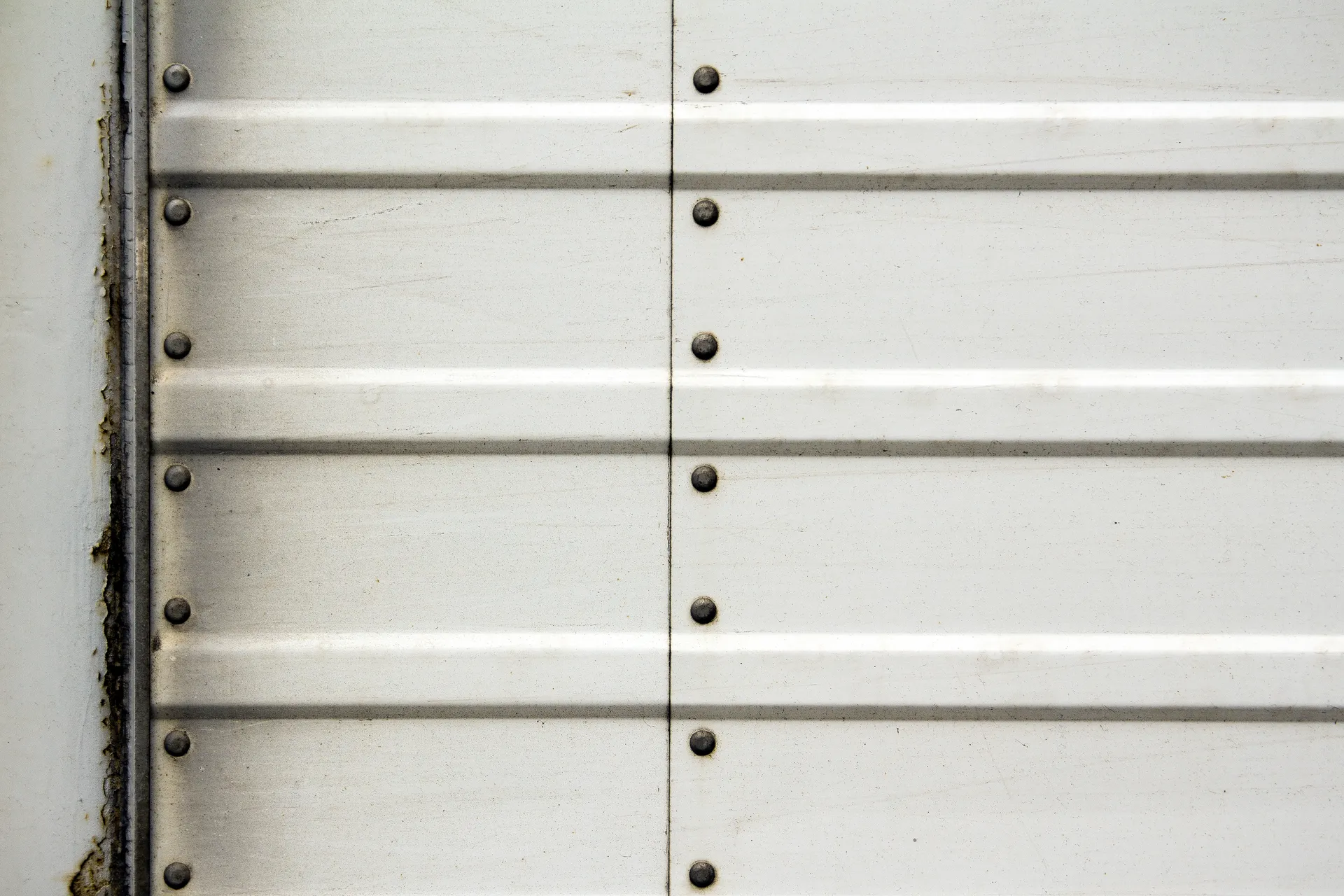
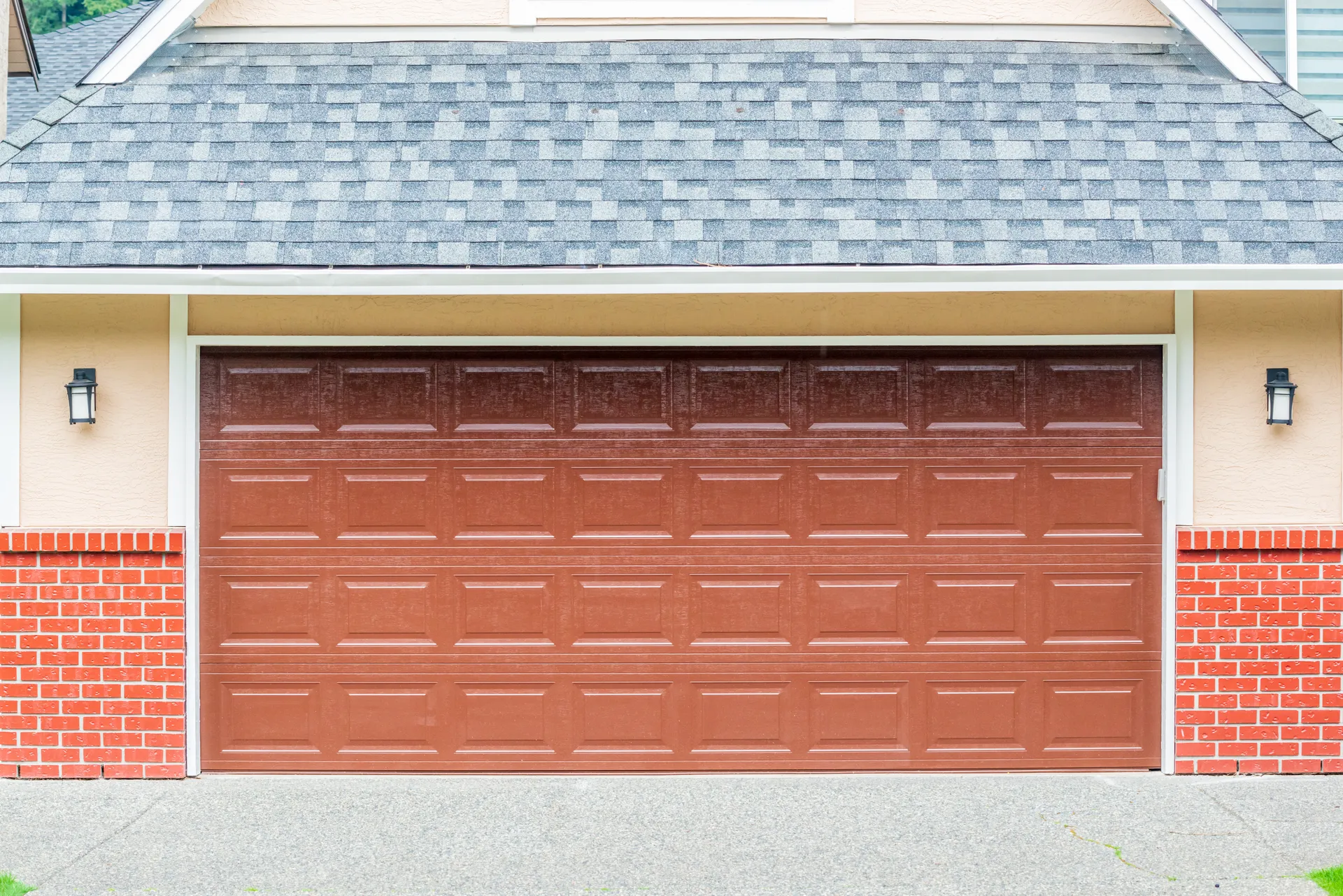
A sectional garage door is built from horizontal sections, usually four on a standard seven-foot door, hinged together so the door can roll up and curve onto the horizontal track. Each section has top and bottom edges shaped as tongue-and-groove or shiplap joints that seal against the sections above and below. Homeowners often call these sections panels, and that's the term we use too. The face may be flat, ribbed, or embossed with raised or recessed panel designs, and the steel skin can be a single layer or bonded to an insulation core. When one section is damaged, the others are often perfectly fine.
Most panel damage in Pewaukee garages comes from everyday life: a bumper that tapped the bottom section while backing out, a basketball or hockey puck, a snowblower pushed too close, or a door that came down on a car roof. Wind can also bow a section if a door is left partly open during a storm. Steel doors dent, aluminum doors crease, wood doors split or rot along the bottom, and fiberglass or composite skins can crack. Where the damage sits matters as much as its size, because a dent across a hinge line or an end stile affects how the whole door moves.
Small cosmetic dings can usually be left alone. What we look for is damage that changes how the door works. A section that is bent inward can rub the track, put stress on the rollers and hinges, and make the opener work harder. A cracked bottom section lets snowmelt and rodents in under the weather seal. A split top section can lose its grip on the opener bracket. During the visit we check the whole door, not only the damaged part, because a hit hard enough to fold a panel can also knock a track out of plumb, bend a strut or jar a roller loose.
- Dented or creased steel sections
- Cracked or rotted bottom panels
- Bent sections rubbing the track
- Split top section at the opener bracket
- Damaged windows in a glass section
- Upgrading to an insulated section
Swap or Replace
When One Section Can Be Swapped and When It Can't
A single section replacement works best when the door is still in production, or close enough that the manufacturer still supplies matching sections. We start by identifying the door: maker, model line, section height, width, steel gauge, panel design, insulation type and color. That information is often on a label on the inside of a section or on an end stile. If the label is missing, we measure and compare the embossing, rib pattern and hinge spacing. A section that's a fraction of an inch off in height or uses a different joint profile won't seal or roll properly, so close enough is not good enough.
Replacing the whole door often makes more sense when more than one or two sections are damaged, when the door is older and the remaining sections are worn, or when a single special-order section costs a large share of what a new door would. Color is another issue. Even with the correct factory color, a new section can look brighter than panels that have spent fifteen summers in the sun. On a street-facing door that difference can bother some homeowners more than the original dent did. We point that out before you order anything, so there are no surprises when the new section goes in.
There's also the question of structure and safety. If the damage reached the bottom section where the cable brackets attach, or the top section where the opener arm connects, the replacement has to be fitted and reinforced correctly, and the springs and cables handled by a trained technician, because those bottom brackets are under spring tension. Doors that have been patched before, with mismatched sections or extra struts screwed on, may not weigh what the original springs expect. In those cases we explain every option, from a straight section swap to a full new door, and give you a clear quote before any work starts.
Older Doors
Discontinued Models and Hard-to-Match Panels
Garage door makers update their lines regularly. Embossing patterns change, colors are renamed or dropped, joint profiles are redesigned, and some brands that were common on 1970s and 1980s Pewaukee homes are no longer in business. If your door is discontinued, an exact replacement section may simply not exist. Sometimes a newer section from the same maker uses the same profile and can be fitted with minor changes. Sometimes another brand's section is close in height and pattern but uses a different hinge layout or thickness, which makes it a poor fit. We tell you plainly which situation you're in before anything is ordered.
On wood doors, especially the older raised-panel and carriage-style doors still found on lake cottages, a carpentry repair is sometimes possible: a rotted bottom rail can be cut out and replaced, then primed and painted to match. On steel doors that approach doesn't work well, because the skin is a single formed sheet and patches show and rust. Painting the whole door after a non-matching section is installed is another option some homeowners choose. It needs a primer suited to galvanized steel and works best in mild, dry weather, so we usually suggest it as a late spring or early fall project.
When matching isn't realistic, a new door is often the better use of money, and it gives you a chance to add insulation, windows or a different style. We'll still look at whether parts of the existing system can stay. Track, springs and the opener are separate components. A new door usually comes with new track and springs sized to its weight, but an opener in good condition can often be kept and reconnected. We lay out both options side by side so you can decide based on the look you want, the age of the door and how long you plan to stay in the house.
- Reading labels and model numbers
- Measuring section height and width
- Comparing embossing and rib patterns
- Checking hinge and strut locations
- Matching factory color where available
- Discussing paint or full replacement

What to look for
Signs You Need a Panel Replaced
Dent Across a Hinge Line
A dent that crosses the joint between two sections stops the hinge from pivoting freely. You may hear a pop or see the door hesitate where that section curves onto the horizontal track. Over time the hinge screws loosen and the section can crack along the joint.
Section Bowed Inward
If one section bows in after a vehicle bump, the rollers on that section get pulled toward the center of the door. That sets them at an angle in the track, and the door can bind, shudder or even jump the track when it opens.
Cracked or Split Skin
Cracks in steel, aluminum, fiberglass or composite let water reach the inside of the section. Once moisture gets in, steel rusts from the inside out and foam can separate from the skin, so the crack usually grows a little more each winter.
Rotted Bottom on Wood Doors
Wood doors take the most abuse at the bottom, where snow, salt and standing water sit against them. Soft, dark or crumbling wood along the bottom rail means the section is losing strength, and the bottom bracket may no longer hold securely.
Gaps Between Sections
Light or drafts showing between two sections when the door is closed point to a bent edge or a damaged tongue-and-groove joint. New weatherstripping won't fix it. The joint itself needs to be straightened or the section replaced so the door seals properly.
Top Section Pulling Apart
The opener arm connects to a bracket on the top section. If the steel around that bracket is cracked or pulled, the door can separate from the opener. A reinforcing strut and, if needed, a new top section prevent a bigger failure.
Our process
How we handle panel replacement
The same careful routine on every visit, so nothing gets missed.
- 1
Inspect the Whole Door
We look at the damaged section and the rest of the door: hinges, rollers, track, springs, cables and the opener connection. A hard hit often affects more than one part, and we want the repair to fix the whole problem, not only the visible dent.
- 2
Identify and Quote Parts
We record the maker, model, size, design and color, check availability, and quote a single section, multiple sections or a new door. Nothing is ordered until you approve it, and we tell you roughly how long the part should take.
- 3
Swap the Section
With the door secured and spring tension safely managed, we remove the hinges, rollers and brackets from the damaged section, set the new section in place, and reinstall the hardware. Bottom sections get a new bottom seal at the same time.
- 4
Balance and Test
We check balance by hand, have spring tension adjusted if the weight changed, and run the door through several full cycles with the opener. We test the safety sensors and auto-reverse, then walk you through what we did and what to watch for.
Insulated Panels
Insulated Sections for Wisconsin Winters
Garage door sections come in three common builds. Non-insulated doors are a single steel skin. Polystyrene-insulated doors add rigid foam boards, either set into the back of the section with a vinyl or steel backer or sandwiched between two steel skins. Polyurethane doors have foam injected between two skins, where it expands and bonds to fill the cavity, giving a stiffer section and a higher R-value for the same thickness. When we replace a section we match the build of the rest of the door, because mixing a non-insulated section into an insulated door changes the weight and looks out of place from inside.
Weight matters more than most people expect. Torsion and extension springs are sized to the total weight of the door. A heavier insulated section added to a light door, or a lighter section in an insulated door, can throw off the balance. After any section replacement we check the door's balance by disconnecting the opener and lifting it by hand. If it drifts up or drops, the spring tension needs adjusting, and that adjustment is done only by a trained technician with proper winding bars. It's never a job for a screwdriver, a pair of pliers or a homeowner on a stepladder.
For a garage attached to the house, an insulated door helps keep the space warmer on cold winter nights, which protects water lines, paint and anything stored on shelves, and makes a bedroom or bonus room above the garage more comfortable. If your current door is non-insulated and several sections are damaged, that's often the moment to consider a full insulated door rather than patching. If only one section is damaged on a door that's already insulated, a matching insulated section with a new bottom seal is usually all it takes to restore the door's look, weather sealing and smooth operation.
What affects the price
Door Make and Model
Sections for current models from major manufacturers are easier to order than parts for older or less common doors. A discontinued door may need a substitute section or a full replacement, which changes both the price and the lead time.
Which Section Is Damaged
Middle sections are usually the simplest swap. Bottom sections need new seals and careful work around the cable brackets, and top sections carry the opener bracket. Sections with windows or decorative hardware also add to the parts list.
Material and Insulation
Single-layer steel sections cost less than insulated steel, and polyurethane sections usually cost more than polystyrene. Wood, fiberglass, composite and full-view aluminum sections all have their own pricing, and many of them take longer to order and ship.
Number of Sections
One damaged section is often worth replacing on its own. When two or more need replacing, the total starts to approach the price of a new door, so we show you both numbers side by side and let you compare.

Local know-how
Lake Cottages, Ranches and Subdivision Doors Around Pewaukee
Pewaukee's housing makes panel work interesting. Along the lakeshore and near the Village's east-end beach, many older cottages still have wood doors whose bottom sections have spent decades soaking up spring snowmelt and lake moisture. In the 1950s to 1970s ranches and split-levels off Capitol Drive and Pewaukee Road, we often find steel doors from brands or model lines that are no longer made, which makes matching a single section tricky. The newer subdivisions in the City of Pewaukee tend to have current-model doors on wide three-car garages, where a single section dented during a teenager's first winter of driving is usually easy to replace. Condos and townhomes with shared drives add another wrinkle, since an association may require the replacement section, color and style to match the neighbors. Whatever kind of home you have, we identify the door first and tell you plainly whether a single panel or a new door is the better path.
Panel Replacement FAQ
Questions about panel replacement
Answers from the technicians who do this work across Pewaukee every week.
Ask a technicianCan you replace just one garage door panel?
Often, yes. If your door is a current or recent model and the damage is limited to one section, we can usually order a matching section and swap it in. The rest of the door, including the track and springs, stays in place. If the door is discontinued, badly damaged or the replacement section would cost close to a new door, we'll explain that before you order anything.
How long does it take to get a replacement panel?
It depends on the manufacturer and the section. Common sizes and colors from major brands can arrive fairly quickly, while custom colors, window sections, wood or less common models take longer. We give you an expected timeline when we quote the job. In the meantime, if the door still opens and closes safely you can keep using it. If it doesn't, we can secure it.
Will a new panel match the color of my door?
We order the correct factory color whenever it's available, but a brand-new section can look a little brighter than sections that have been in the sun for years. On white doors the difference is often hard to see. On darker colors it can be more noticeable. Some homeowners choose to have the whole door painted afterward so every section matches.
Can I hammer out a dent myself?
Minor cosmetic dents can sometimes be eased out from the inside, but be careful. Steel skins are thin and stretch easily, and you shouldn't stand on or force the door. Never loosen anything on the bottom brackets, because they hold cables under spring tension. If a dent affects how the door moves, have it inspected rather than trying to straighten it.
Is it worth replacing a panel on an old door?
Sometimes. If the door is solid, balanced and you're happy with the look, a single section can extend its life for years. If the door is old, non-insulated, missing parts or already showing rust and wear on other sections, the money may be better spent on a new door. We give you both options, with prices, so you can decide what fits your plans.
Do you replace glass and window sections?
Yes. Window sections can be replaced as a whole, and in some cases the window insert or glazing can be replaced without changing the section. We check how the window is held in, what glass or acrylic it uses and whether replacement inserts are still available for your door model before we recommend one route or the other, and we quote both if both are possible.

Damaged Panel? Let's Take a Look
Call Pewaukee Garage Doors to have a damaged section inspected. We'll identify your door, tell you whether one panel can be replaced, and quote the price before work starts.
More services