
- Home
- Service & Repair
- Garage Door Repair
Local garage door repair
Garage Door Repair in Pewaukee, WI
When a garage door starts acting up, it rarely fixes itself. A small noise or a slow, uneven close is usually the first sign of a worn part that will get worse. We repair residential garage doors across Pewaukee and Lake Country, from lake cottages to three-car subdivision homes. We find the actual cause, explain it in plain terms, quote the price before work starts, and leave the door balanced, quiet and safe.
- Same-day service
- Price before we start
- Safety-tested

How a door works
A garage door is a system, not a single part
Most homeowners think of the garage door as one big panel, but it is really a set of parts that depend on each other. Springs carry almost all of the door's weight. Cables connect the springs to the bottom corners of the door. Rollers ride in steel tracks, held to each section by hinges and brackets. The opener on the ceiling only guides the door up and down; it is not built to lift a dead weight. When one of those parts wears out, the others have to work harder, and that is how one small problem turns into three. Understanding how the parts share the load is the key to fixing a door properly.
That is why we do not just replace whatever looks broken and leave. A snapped cable, for example, is often the result of a spring that has lost tension or a drum that has slipped, and replacing the cable alone means the new one is already under the wrong load. A noisy opener may actually be straining against a door that is out of balance. We look at the whole system, from the spring shaft at the header to the bottom seal on the floor, find what started the chain of wear, and fix that first so the repair actually lasts through the next Wisconsin winter.
This approach also keeps the cost honest. Some problems that sound serious turn out to be a loose track bolt, a misaligned safety sensor or a dry set of rollers. Others that seem minor, like a door that is slightly crooked when it closes, point to a cable or spring issue that needs attention soon. Either way, you get a clear explanation of what we found, what we recommend, what can wait, and what it will cost before we pick up a tool. If you would rather think it over or handle a smaller fix now and a bigger one later, that is your call, and we will lay out the options clearly.
- Torsion and extension spring replacement
- Lift cable and drum repair
- Roller, hinge and bracket replacement
- Track alignment and reinforcement
- Opener troubleshooting and adjustment
- Safety sensor and auto-reverse testing
Common problems
What usually goes wrong with garage doors here
Broken springs are the most common call we get. A torsion spring is rated for a set number of open and close cycles, and when it reaches that limit it usually snaps all at once, often with a loud bang. After that, the door feels like it weighs several hundred pounds because, without the spring, it does. Cold weather speeds this up, so we see a jump in spring failures on the first hard freeze of the season and again during the deep cold of January and February. Extension springs, the long stretched springs found above the horizontal tracks on many older doors, fail in a similar way but can whip loose if no safety cable is installed.
The next most common problems are worn rollers, frayed or slipped cables, and bent tracks. Rollers wear flat or lose their bearings and start to grind or bind. Cables rust at the bottom brackets where salt and snowmelt sit against the door. Tracks get bent when a car bumper or snowblower taps them, or when a door is forced down against an obstruction. Each of these makes the door run rough, and each adds strain to the opener and springs. Left alone, a grinding roller can chew up the track and a fraying cable can let go on one side, twisting the door in the opening.
Opener problems round out the list. A door that reverses for no reason usually has a misaligned or dirty safety sensor. A door that hums but does not move may have a stripped gear, a failed capacitor or a disconnected trolley. Remotes and wall buttons that work some days and not others point to wiring, batteries or interference. We test the opener with the door disconnected first, so we know whether the problem is the motor or the door it is trying to move. Fixing an opener that is being overworked by a bad door only treats the symptom.
What we check
Our repair visit, step by step
Every repair visit starts with a look at how the door moves. We run it with the opener, then disconnect it and lift it by hand to feel the balance. A properly balanced door stays put about halfway open. If it drops or shoots up, the springs are not set correctly for the door's weight. We watch the cables wind onto the drums, listen to the rollers in the track, and look at how the door seals against the floor and the jambs. Sounds and movement tell us a lot before we touch a single part, and they help point us to the source of the trouble rather than the part that simply failed last.
Next we inspect the hardware up close. That means checking the springs for gaps or stretched coils, the cables for broken strands and rust, the bottom brackets for corrosion, the hinges for cracks, and the track for bends, loose bolts and poor alignment. We check the center bearing plate and end bearings on torsion systems, and the safety cables on extension spring systems. Loose lag screws in older wood framing get noted too, because they matter when we put tension back on. We also look at the weatherstripping and the opener mounting, since a loose rail or sagging bracket can make a sound door behave badly.
Once we know what is wrong, we explain it and give you the price before we start. After the repair, we rebalance the door, lubricate the moving metal parts that need it, and run it through several full cycles. We finish by testing the photo eye safety sensors and the auto-reverse feature, adjusting the opener's force and travel limits so the door closes fully without slamming or crushing anything in its path. Before we leave, we show you what we did, point out anything worth watching, and answer any questions you have about caring for the door between visits.
- Manual balance test with opener disconnected
- Spring, cable and drum inspection
- Roller, hinge and track check
- Bottom bracket and fastener condition
- Opener force and travel limits
- Sensor and auto-reverse safety test

What to look for
Signs your door needs a repair
Loud grinding or scraping
Grinding usually comes from rollers with worn bearings, a dry or bent track, or a hinge that has cracked and is dragging. Popping and banging can mean a spring is near the end of its life. New noises are worth checking early, before the worn part damages the parts around it.
Door closes crooked
If one side of the door hits the floor before the other, the cables are likely uneven, a drum may have slipped on the shaft, or a spring has lost tension on one side. A crooked door puts twisting force on the sections and can jump the track if it keeps running.
Door feels very heavy
A balanced door should lift by hand with modest effort and stay roughly halfway when you let go. If it feels like dead weight or crashes down, the springs are weak or broken. Stop using the opener, since it is not designed to lift an unbalanced door.
Opener strains or stops
An opener that labors, stops partway or reverses on its own is often responding to a door that is binding or out of balance. It can also be a sensor or limit setting. Pushing it to keep running can burn out the motor or strip the drive gear.
Visible gaps or sagging
Daylight under one side, a bottom seal that no longer touches the floor, or sections that sag in the middle when the door is open all point to worn hardware or a misadjusted door. These gaps let in cold air, snowmelt and pests through the winter.
Frayed cables or rust
Look at the cables near the bottom corners of the door. Broken strands, rust or a cable that looks loose and slack mean it could fail soon. Do not touch or adjust it. A cable under tension can whip with enough force to cause serious injury.
Our process
How we handle garage door repair
The same careful routine on every visit, so nothing gets missed.
- 1
Call or book
Tell us what the door is doing, what sounds you hear and whether it opens at all. That helps us bring the right parts. When you call early in the day, same-day service is often possible for urgent problems in Pewaukee and nearby Lake Country communities.
- 2
Inspect and diagnose
We check balance, springs, cables, drums, rollers, hinges, tracks, the opener and the safety sensors. We look for what caused the failure, not just the part that broke, so the repair is not undone by another worn part a few weeks later.
- 3
Quote before work
You get a clear explanation of what we found and the price before work starts. We separate what needs fixing now from what can wait, so you can make the decision that fits your budget and plans for the door without pressure.
- 4
Repair and test
We make the repair, rebalance the door, lubricate the parts that need it and run several full cycles. Then we test the photo eyes and auto-reverse, set the opener's force and travel limits, and walk you through anything you should watch for.
Repair or replace
When repair makes sense, and when it does not
Most garage doors in Pewaukee can be repaired, and repair is usually the right call. Springs, cables, rollers, hinges, tracks and openers are all replaceable parts, and a solid door with fresh hardware can give many more years of service. If the panels are straight, the sections are not rotted or rusted through, and the door still fits the opening well, there is rarely a reason to replace the whole thing just because a part wore out. A good repair on a sound door is almost always the more economical choice, and it avoids the disruption of a full replacement.
Replacement starts to make sense when the door itself is the problem. Steel panels that are badly dented or rusted through at the bottom, wood doors with rot that has spread into the stiles, sections that have bent and no longer track straight, or a door so heavy and uninsulated that it fights the springs year-round are all reasons to talk about a new door. We will tell you honestly which side of that line your door is on. When it is a close call, we can quote the repair and a replacement side by side so you can compare the cost and the remaining life of the door you have.
One thing we never recommend is waiting on a door that is clearly unsafe. A door with a broken spring, a snapped cable or a roller that has jumped the track can fall or twist without warning. Do not keep using it with the opener, and do not try to adjust springs, cables or bottom brackets yourself. Those parts hold enough stored energy to cause serious injury. Keep people and pets clear and give us a call. If the door is stuck open, we can often secure it so the garage can be closed up until the repair is done.
What affects the price
Which parts failed
A sensor alignment or a single roller is a small job. A pair of torsion springs plus cables and drums is a larger one. The number of parts, and whether they should be replaced in pairs for even wear, has the biggest effect on the price.
Door size and weight
A single-car steel door and a large insulated or wood double door need very different springs and hardware. Heavier doors need heavier-gauge springs and stronger cables, and they take more time to set up and balance correctly.
Condition of hardware
Rusted bottom brackets, seized bearings or worn drums sometimes have to be replaced along with the part you called about. We point these out during the inspection so the quote reflects the whole repair, not just the first failure.
Access and setup
Low headroom, a cluttered ceiling, an older wood frame that needs new fastening points, or a door converted from extension to torsion springs can add time. We explain any of these before work starts so nothing on the bill surprises you.

Local know-how
Garage door repair for Pewaukee homes and weather
Pewaukee has a wide mix of garages, and each type wears in its own way. Older cottages and year-round homes along Pewaukee Lake often have original wood framing, low headroom and doors that see lake wind and damp air all year, which is hard on hinges and bottom brackets. The 1950s through 1970s ranches and split-levels near the Village tend to have older single-car or narrow two-car doors that have been patched over the years. Newer subdivisions in the City of Pewaukee have big insulated doors and three-car garages where the heavier door puts real load on the springs. Add subzero January nights, road salt tracked in from I-94 and Capitol Drive, and spring freeze-thaw cycles, and every part of the door takes a beating. We plan each repair around the house, the door and the conditions it actually faces here.
Garage Door Repair FAQ
Questions about garage door repair
Answers from the technicians who do this work across Pewaukee every week.
Ask a technicianCan you repair my door the same day?
Often, yes. We carry common springs, cables, rollers, hinges and opener parts on the truck, so many repairs are finished during the first visit. When you call early in the day, same-day service is usually possible for doors that are stuck or unsafe. Less common parts, such as springs for an unusually heavy custom door, may need to be ordered, and we will tell you that up front.
Is it safe to use my door if it seems off?
If the door is noisy but runs evenly and feels balanced, it is usually safe to use carefully until we look at it. If it is crooked, very heavy, making loud bangs, or has a broken spring or loose cable, stop using it. Running the opener on an unbalanced door can cause more damage, and a door with a failed spring or cable can fall.
Can I fix garage door problems myself?
Some things are fine for homeowners: cleaning the photo eye lenses, replacing remote batteries, clearing debris from the track and keeping the floor seal free of ice. Springs, cables, drums and bottom brackets are different. They hold a large amount of stored energy, and adjusting them without proper tools and training is one of the most common causes of garage door injuries.
How do I know if I need repair or a new door?
If the sections are straight and solid and the door fits the opening, repair is usually the better value. Badly rusted or rotted panels, sections that are bent and will not track, or a door that is far heavier than it needs to be are reasons to consider replacement. We give you an honest opinion on site and quote both options when it is a close call.
Why does my door reverse before it closes?
The most common reason is the safety sensors. If the two photo eyes near the floor are dirty, bumped out of line or blocked by snow or a stored item, the opener will reverse. It can also happen when the close force setting is too low or the door is binding in the track. We test the sensors, the force settings and the door itself to find which it is.
How often should a garage door be serviced?
A yearly tune-up is a good rule for most Pewaukee homes, ideally in the fall before the cold sets in. That visit covers balance, spring condition, cables, rollers, hinges, fasteners, lubrication and a safety test of the sensors and auto-reverse. Catching a worn part in October is much easier than dealing with a door that fails on a subzero morning.

Get your garage door working again
Tell us what your door is doing and we will diagnose it, quote the price before work starts, and leave it balanced, quiet and safety tested. Same-day service is often available when you call early.
More services
Other ways we help Pewaukee homeowners
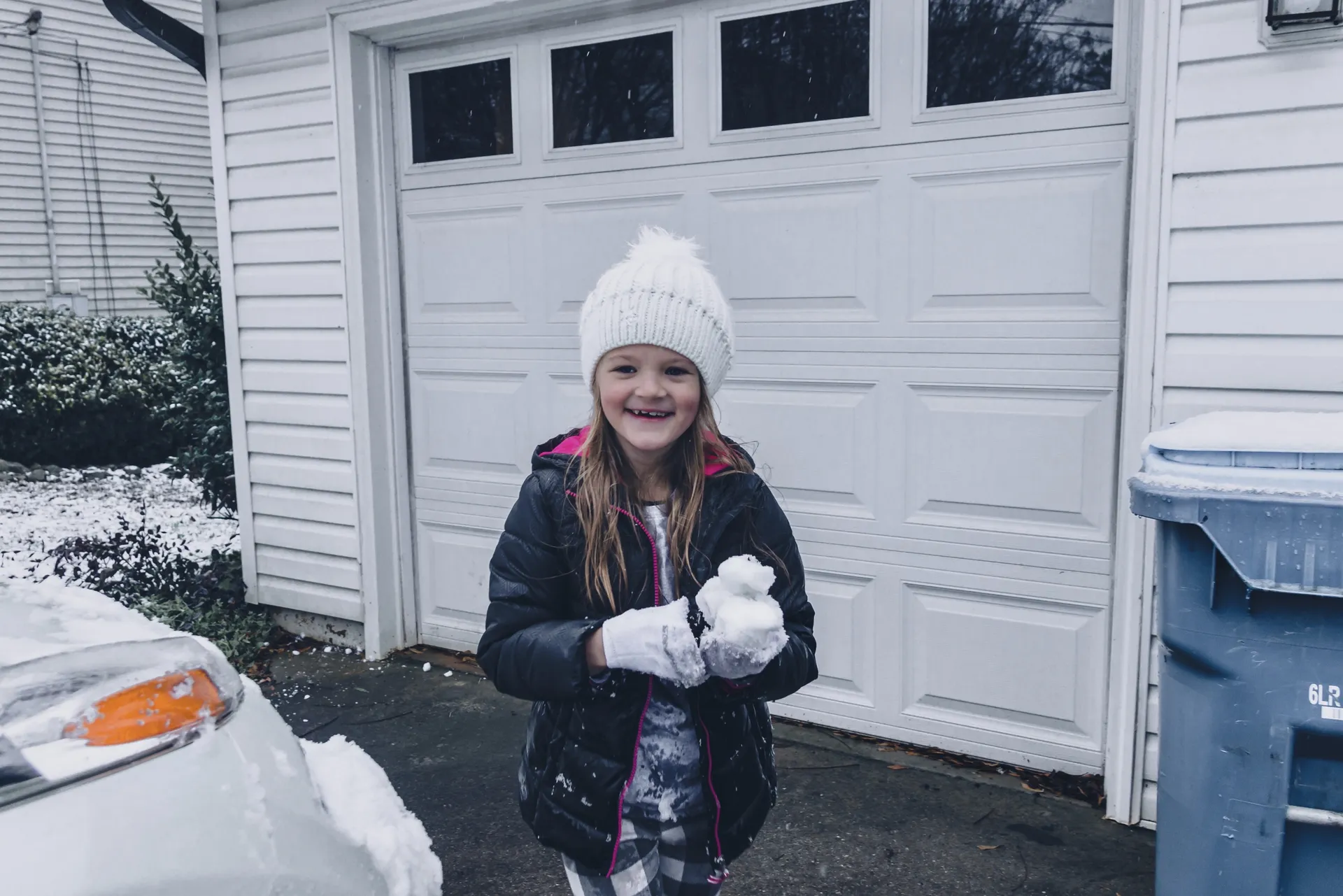 Service & RepairEmergency RepairDoor stuck open or car trapped inside? Call early for same-day help.
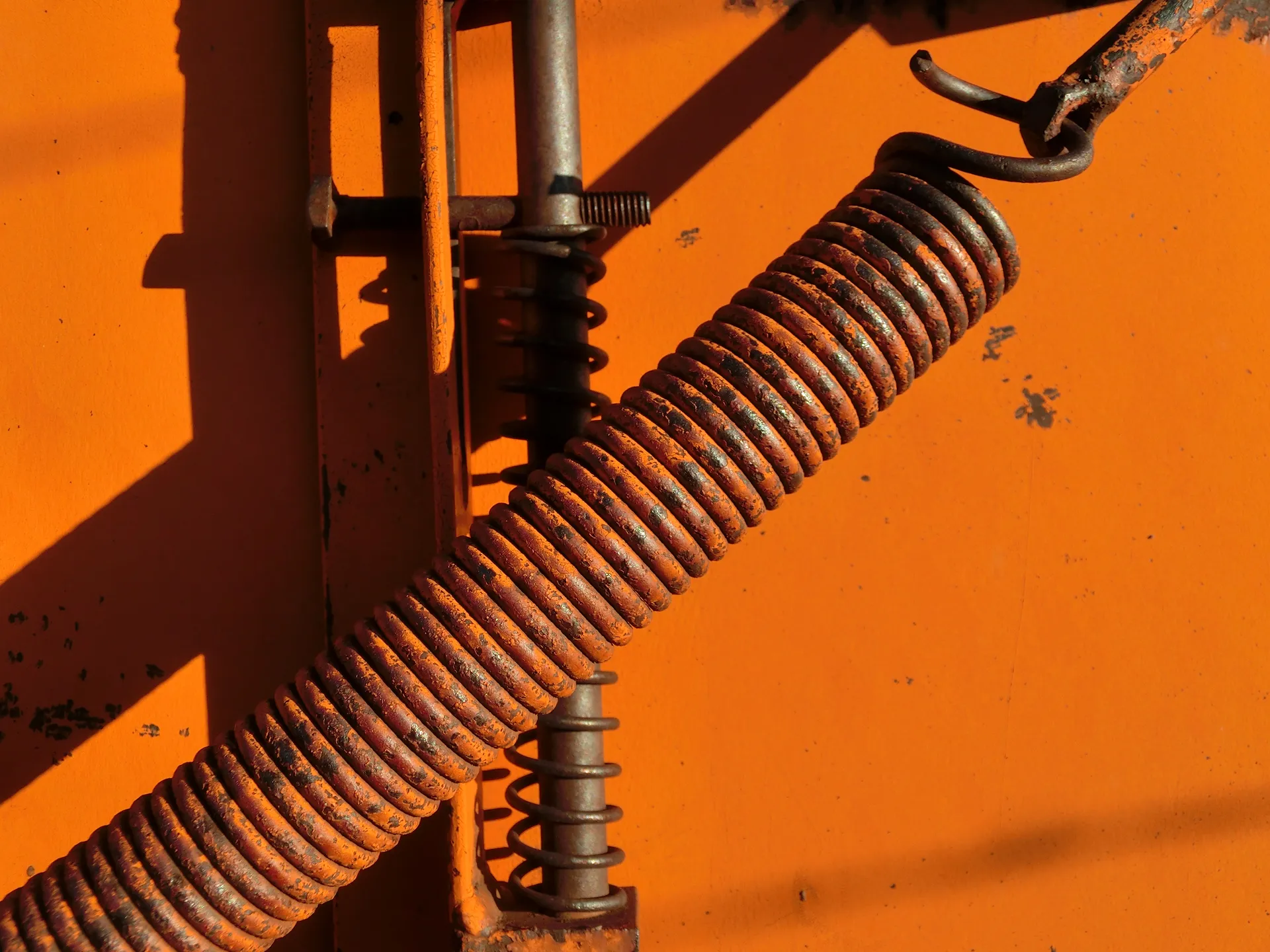 Service & RepairSpring ReplacementTorsion and extension springs sized to your door and balanced by hand.
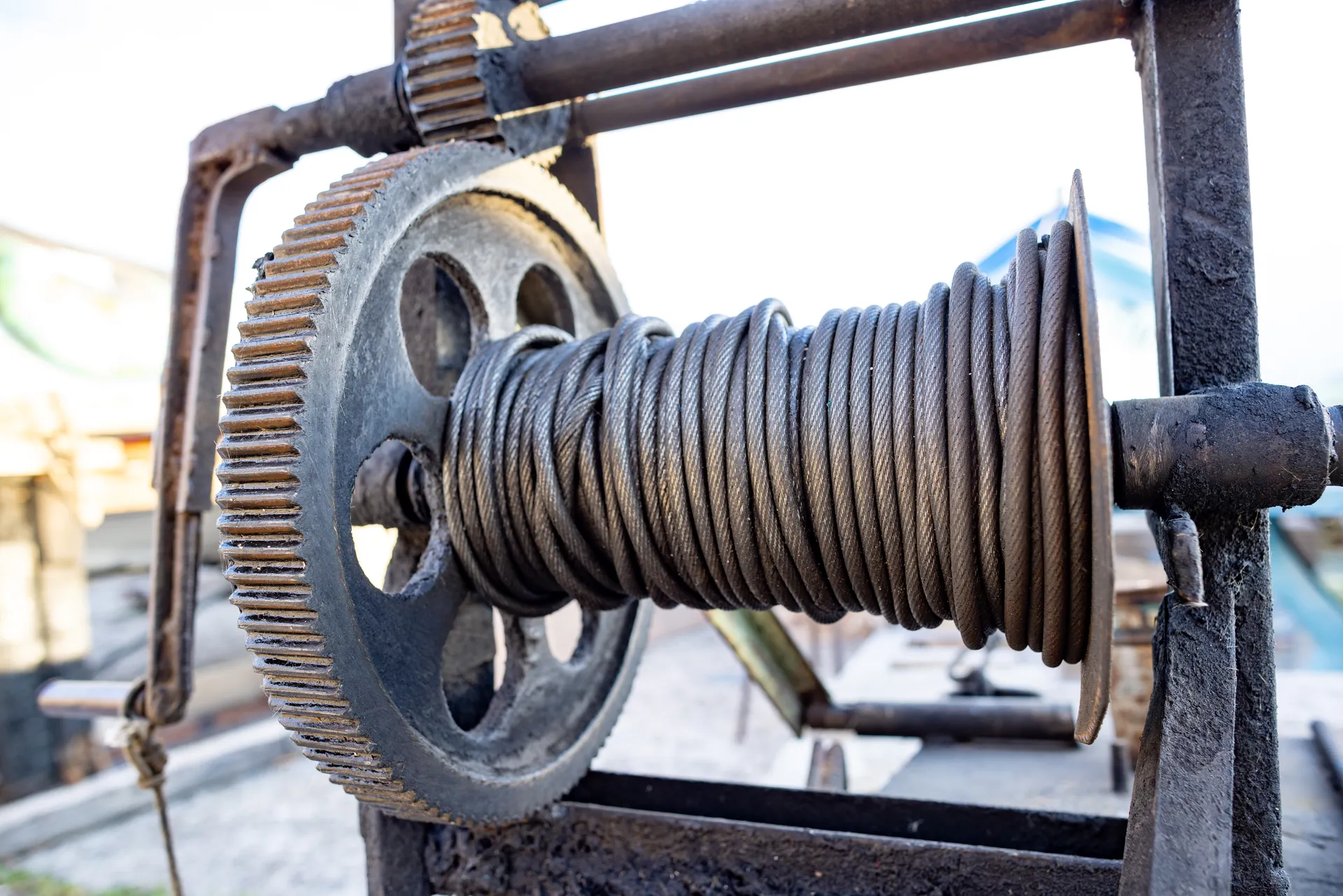 Service & RepairCable ReplacementFrayed or snapped lift cables replaced and wound evenly on both sides.