- Home
- Service & Repair
- Drum Replacement
Cable Drum Service
Garage Door Drum Replacement in Pewaukee, WI
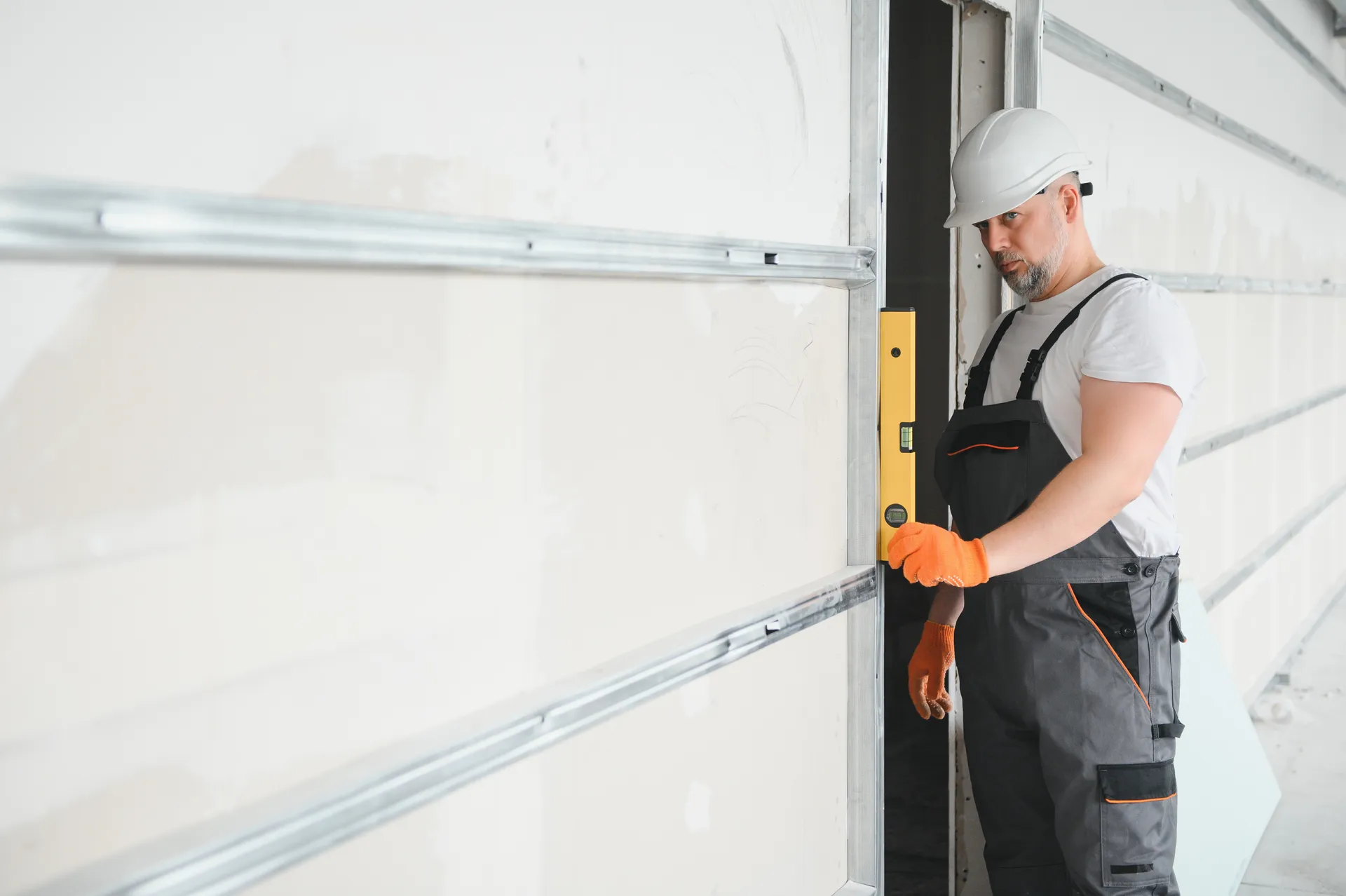
Cable drums are small parts with a big job. They sit on each end of the torsion shaft and wind the lift cables that raise your garage door. When a drum cracks, slips or wears out, the door lifts unevenly, cables unwind and the door can come down crooked. Pewaukee Garage Doors replaces standard, high-lift and vertical-lift drums for homes across Pewaukee, WI, safely and with the door properly balanced afterward.
- Same-day service
- Price before we start
- Safety-tested
How Drums Work
The Part That Winds Your Lift Cables
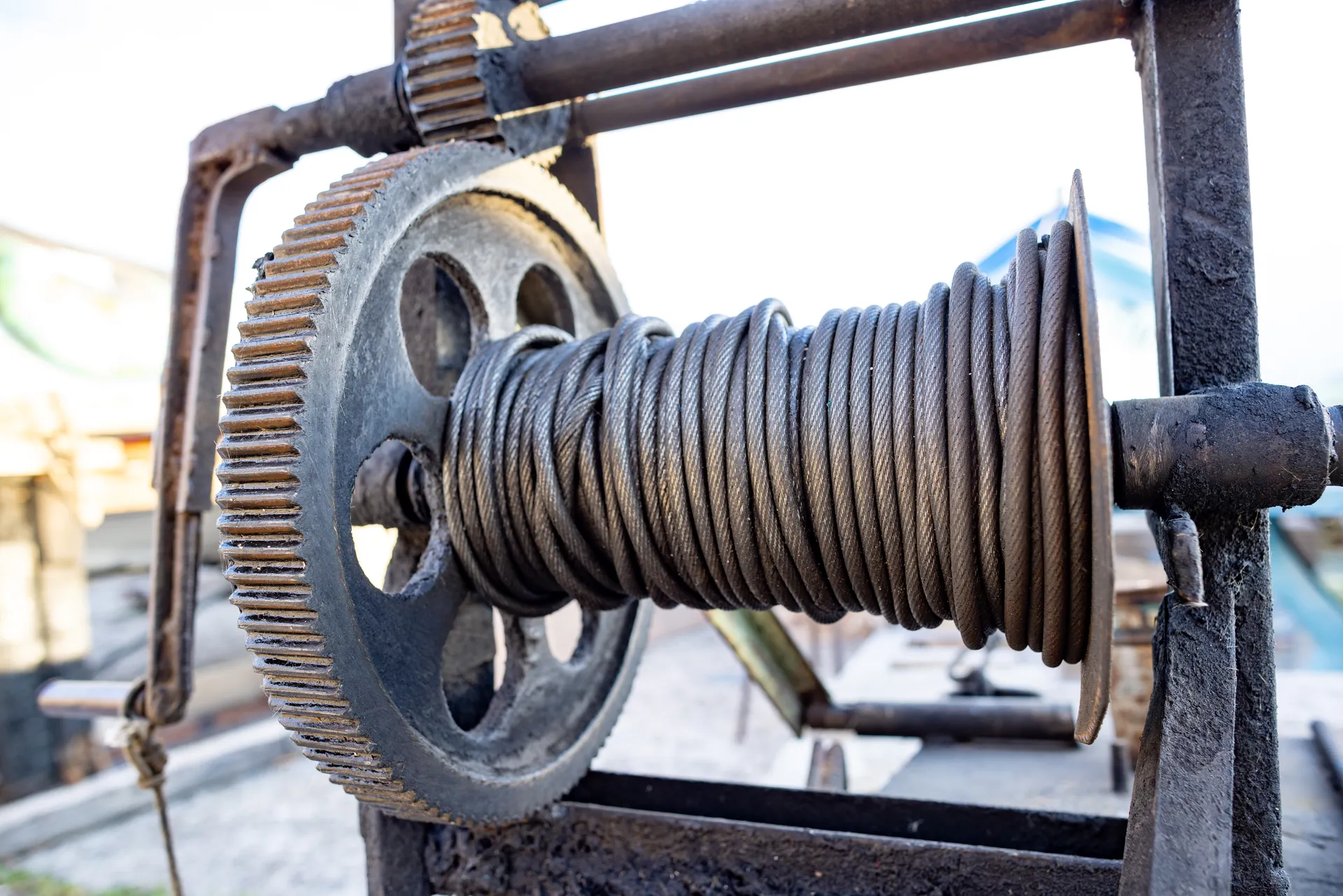
On a torsion spring system, the springs sit on a steel shaft mounted above the door. When the door is closed, the springs are wound tight and storing energy. A cable drum is fastened to each end of that shaft. A lift cable runs from the bottom bracket on each side of the door, up alongside the track, and into a slot on the drum. As the door opens, the springs unwind and turn the shaft, the drums rotate, and the cables wrap into the grooves on each drum, lifting both sides of the door together. As it closes, the cables unwrap and the springs wind back up.
The two drums have to match each other exactly. Both must be the same size and type, and both cables must be set with the same tension, so each side of the door rises at the same rate. Residential drums are usually cast aluminum, with spiral grooves that guide the cable into neat, even wraps. Each drum is locked to the shaft with set screws that bite into the steel. If a set screw loosens and the drum slips even slightly, that side's cable goes slack or picks up extra tension, and the door starts lifting out of level.
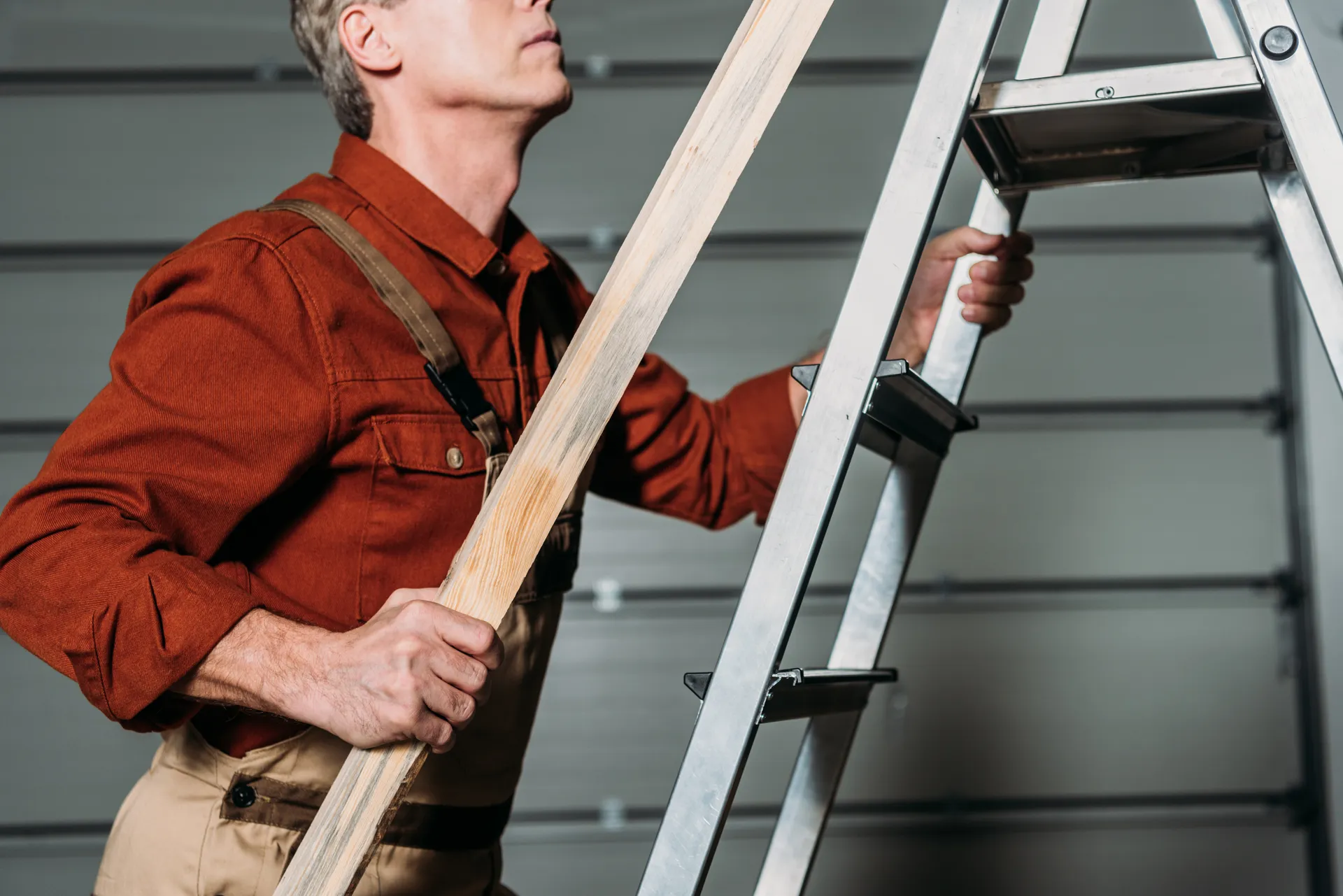
Drums don't fail as often as springs or cables, but when they do, the symptoms look a lot like other problems. A door that sits crooked when open, a cable that keeps coming off, a clicking or slipping noise at the top corners, or a cable that has jumped its grooves can all point to a drum issue. Because the drums are attached to a shaft held under full spring tension, inspecting and replacing them is work for a trained technician with proper winding bars and clamps. It is not a weekend project, no matter how small the part looks.
- Mounted on each end of the torsion shaft
- Wind lift cables into spiral grooves
- Locked to the shaft with set screws
- Must match each other in size and type
- Sized to door height and lift type
- Usually made from cast aluminum
Drum Types
Standard, High-Lift and Vertical-Lift Drums
Standard-lift drums are the most common type on Pewaukee homes. They are grooved cylinders sized for a range of door heights, and they work with standard track, where the door turns onto the horizontal track just above the opening. A drum rated for doors up to eight feet tall, for example, holds enough cable wraps to lift a seven or eight foot door. Using a drum rated for a shorter door on a taller one means the cable runs out of room on the drum before the door is fully open, which leaves the cable stacking or binding.
High-lift drums add a tapered, cone-shaped section to the flat grooved section. Because a high-lift door travels straight up farther before it curves into the horizontal track, the drum has to handle more cable during the vertical part of the travel. The tapered section changes the leverage on the cable as the door moves, matching how the load changes when the door shifts from hanging vertically to resting on the horizontal track. High-lift drums are sized by door height and by the amount of high lift, and the springs have to be calculated to match. Swapping drum types without recalculating springs leaves the door out of balance.
Vertical-lift drums are larger tapered drums used when the door travels straight up the wall with no horizontal track at all. They're less common on houses but do show up in tall garages, workshops and some outbuildings. These drums carry a lot of cable and need precise spring sizing, since the door's full weight hangs on the cables through the whole stroke. Whatever drum type you have, we replace it with the correct match for your door height and lift, and we usually replace both drums as a pair when they're worn or no longer match each other.
Common Failures
Set Screws, Cracks and Uneven Lift
Loose set screws are the most common drum problem we find. The screws are tightened against the torsion shaft when the drum is installed, and over thousands of cycles, temperature swings and vibration they can work loose. If the screws weren't tightened properly to begin with, or a drum has been reset more than once, the shaft may already have dimples or flat spots that make it harder for the screws to grip. When a drum slips on the shaft, the cable on that side goes slack or tightens, and the door goes out of level every time it opens.
Cracked drums usually come from age, from a door that dropped hard when a spring broke, or from a cable that came off and bound up. Cast aluminum is strong for its job but can crack under sudden shock, and a crack near the hub or along the cable slot can let the drum shift or the cable pull free. Worn grooves are another sign of age. When the spiral grooves wear smooth, the cable can stack on top of itself or skip a groove. Moisture and humidity can also rust set screws and cable ends, making later adjustments harder.
Uneven lift is what most homeowners actually notice. The door rises with one side ahead of the other, the bottom isn't parallel with the floor, the opener strains, or a cable looks loose on one side when the door is closed. Before blaming a drum, we check cable length and condition, bottom brackets, springs and track alignment, because all of these can cause the same symptom. If the drum is the cause, we replace it and usually replace both cables at the same time, since a cable that has run slack or bound up is often kinked or frayed.
- Loose or stripped set screws
- Cracks near the hub or cable slot
- Worn grooves letting the cable stack
- Mismatched drums from past repairs
- Door lifting higher on one side
- Slack cable on one side when closed

What to look for
Signs of a Drum Problem
Door Lifts Unevenly
One side of the door rises ahead of the other, or the bottom edge tilts as it opens. This often means a drum has slipped on the shaft or the cables have uneven tension, leaving one side doing more of the lifting and twisting the door in the track.
Slack Cable on One Side
When the door is closed, both cables should be snug. A loose, sagging cable on one side may have slipped on its drum or been wound wrong. A slack cable can jump off the drum when the door opens and leave the door hanging from one side.
Cable Off the Drum
If you see a cable unwound, tangled or hanging off the drum, stop using the door right away. The cable may be pinched, kinked or frayed, and the drum may be damaged. The door's weight is now carried mostly by one side, which is not safe.
Clicking or Slipping Sound
A sharp click, pop or slipping sound near the top corners as the door moves can mean a drum is shifting on the shaft or the cable is skipping grooves. The noise usually gets louder and more frequent as the problem grows, so don't ignore it.
Visible Crack or Wear
Look up at the drums with a flashlight, without touching anything. A crack in the aluminum, a chipped flange or grooves worn smooth all mean the drum should be replaced before the cable slips off or the drum breaks under load during a cycle.
Opener Straining or Reversing
An uneven door twists in the track and drags. The opener has to pull harder, may slow down, and may reverse because it senses resistance. If the opener seems to be struggling, the real problem may be with the drums or cables, not the opener itself.
Our process
How we handle drum replacement
The same careful routine on every visit, so nothing gets missed.
- 1
Inspect the Lift System
We look at both drums, the cables, springs, shaft, bearings and bottom brackets, and we check track alignment. Uneven lift can come from several different parts, so we confirm the drum is really the cause before replacing anything or quoting the job.
- 2
Release Spring Tension
With the door closed and clamped, we unwind the torsion springs using proper winding bars. Only once the tension is fully released do we loosen the drum set screws and remove the cables, so nothing can spin, snap or whip during the work.
- 3
Install Matched Drums
We install new drums of the correct type and size for your door height and lift, usually as a matched pair, along with new cables when the old ones are damaged. Cables are wrapped into the grooves with equal tension on each side.
- 4
Rewind, Balance and Test
We rewind the springs to the right number of turns, tighten the set screws, check that the door lifts level and balances by hand, then reconnect the opener and test the safety sensors and auto-reverse before we hand the door back to you.
Safety First
Why Drum Work Belongs With a Technician
A drum replacement involves the most dangerous parts of a garage door system. The drums are fastened to the torsion shaft, the shaft is turned by springs wound with a great deal of stored force, and the cables carry the full weight of the door. To replace a drum safely, the door has to be secured in place, the spring tension fully released with proper winding bars, and only then can the cables and drums come off. Loosening a set screw on a drum while the spring is still wound can let the shaft spin and the cable whip without warning.
We see the results of DIY attempts often enough that it's worth saying plainly. Screwdrivers used in place of winding bars slip out of the winding cone. Drums reset at different positions leave cables at different tensions. Cables wound onto the drums the wrong way unwind instead of wrapping. Even experienced technicians take their time with this job, because each step depends on the last one being right. If you suspect a drum problem, keep the door closed if you can, don't run the opener, and don't touch the springs, drums, cables or bottom brackets.
Once the new drums are installed, we wind the cables onto them with matching tension, tighten the set screws properly, rewind the springs to the correct number of turns for your door, and confirm both sides lift evenly. Then we check balance by lifting the door by hand with the opener disconnected. A balanced door should stay roughly in place when it's about halfway open. Finally we reconnect the opener and test the safety sensors and auto-reverse, so the door is ready to use safely as soon as we pack up and leave.
What affects the price
Drum Type and Size
Standard-lift drums for common door heights are widely available, and we often carry them on the truck. High-lift and vertical-lift drums are larger and more specialized, and they may need to be ordered for your exact door height and lift amount.
One Drum or Both
Replacing a single cracked drum is possible when its partner is in good shape and an exact match. More often we recommend a matched pair, especially on older doors, so both sides wind cable the same way and wear evenly from day one.
Cables and Related Parts
A cable that has run slack, kinked or bound up on a damaged drum usually needs replacing. Worn shaft bearings, damaged bottom brackets or a scored torsion shaft add parts to the job, and each one is listed separately in your quote.
Spring Condition
Drum replacement requires releasing and rewinding the springs. If the springs are near the end of their life or the wrong size for the door, it often makes sense to replace them while the system is already unwound, which can save a second visit later.

Local know-how
Cold Snaps, Lake Moisture and Cable Drums in Pewaukee
Pewaukee winters are hard on everything attached to the torsion shaft. Subzero nights make steel and aluminum contract, and freeze-thaw cycles in early spring can leave a door frozen to the slab. When an opener tries to lift a door that's stuck to the floor, the cables and drums take the strain, and that's one way a drum slips or a cable jumps its grooves. Homes along the shoreline of Pewaukee Lake and near the Village lakefront also deal with damp air for much of the year, which can rust set screws and cable ends faster than in a drier inland garage. In the newer City of Pewaukee subdivisions, taller and heavier insulated doors put more load on the drums, and some homeowners have converted to high-lift track for storage. If your door is frozen down, free the bottom seal gently before using the opener, and call us if it lifts crooked afterward.
Drum Replacement FAQ
Questions about drum replacement
Answers from the technicians who do this work across Pewaukee every week.
Ask a technicianWhat does a garage door cable drum do?
The cable drums sit on each end of the torsion shaft above the door. As the springs unwind and turn the shaft, the drums wind the lift cables into their grooves and raise both sides of the door evenly. When the door closes, the cables unwind and the springs store energy again. If a drum slips or breaks, the door lifts crooked or can drop on one side.
Can I tighten a loose drum set screw myself?
No. The drum is locked to a shaft that's under full spring tension, and loosening or adjusting a set screw can let the shaft spin or the cable whip. Even tightening a screw on a drum that has already slipped won't fix the uneven cable tension it caused. A technician needs to release the tension, reset the drum and rebalance the door properly.
Should both drums be replaced at the same time?
Often, yes. Drums work as a pair and need to match exactly in size and type so both sides of the door lift together. If one drum cracked from age, the other has seen the same cycles and the same wear. On newer systems where the other drum is in good shape and an exact match, replacing just one can be perfectly fine.
What's the difference between standard and high-lift drums?
Standard drums are grooved cylinders sized for the door height and used with standard track. High-lift drums add a tapered section that handles the extra cable needed when the door travels farther upward before turning into the horizontal track. Springs are calculated to match the drum type and lift, so changing drums always means checking the springs as well before the door is used.
Why does my door go up crooked after a spring was replaced?
Uneven lift after a spring replacement usually means the cables weren't set with equal tension, or a drum was reset at a different position on the shaft. It can also mean a cable was damaged or slipped during the work. We check the cable wraps, drum positions and set screws, then rebalance the door so both sides lift together again.
Is it safe to use my door if one cable is slack?
It's not. A slack cable can jump off its drum the next time the door opens, leaving the door supported on one side and twisting in the track. Keep the door closed if possible, don't run the opener and keep people and pets clear. Call for service so the cable and drum can be inspected and reset safely by a technician.

Door Lifting Crooked? Call Us Today
If a cable looks slack or your door rises unevenly, stop using it and call Pewaukee Garage Doors. We'll inspect the drums and cables and quote the repair before work starts.
More services